
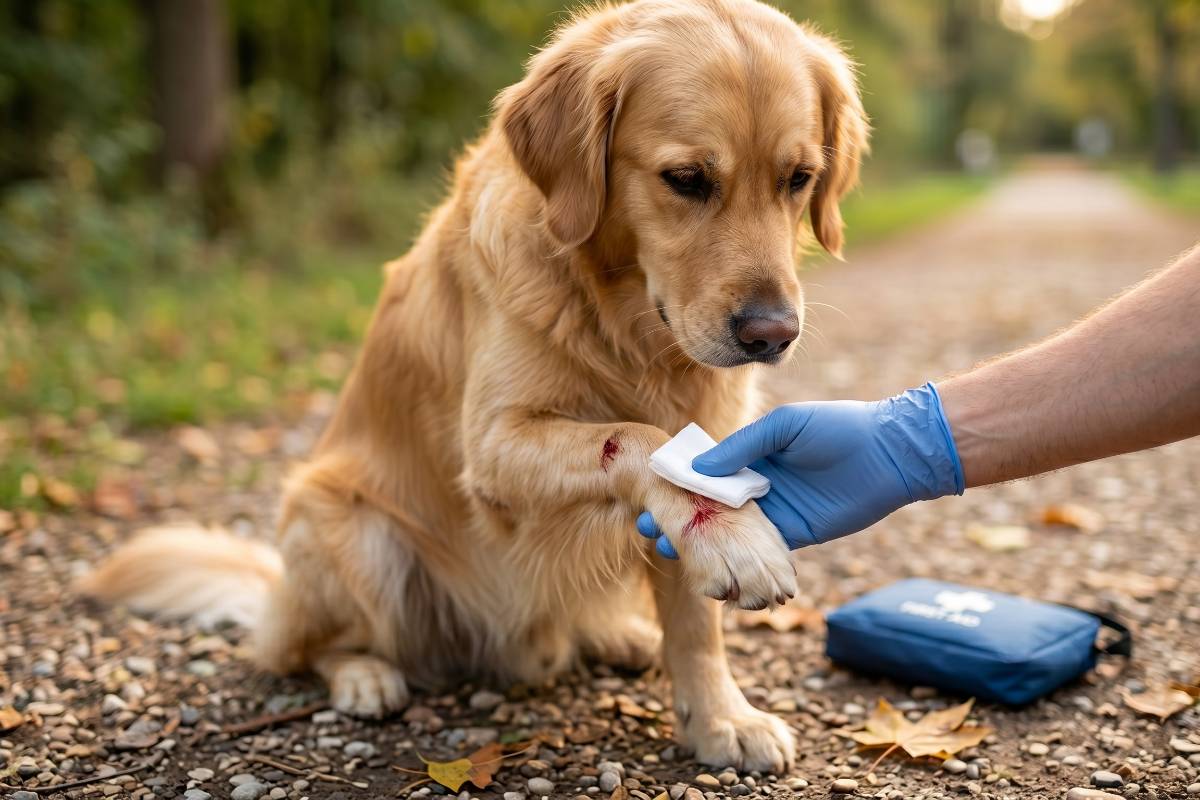
Pet First Aid Kits: The DIY Guide for Every Responsible Owner

Pet First Aid Kits: The DIY Guide for Every Responsible Owner

Don’t wait for an emergency. Learn how to build your own pet first aid kits, essential supplies to include, and how to keep your furry friend safe.
Introduction: The Power of Preparedness
It happens faster than you expect. Your dog tears a nail while chasing a ball at the park, or your curious cat gets stung by a bee on the windowsill. One moment everything feels normal—and the next your heart is racing while you try to figure out what to do.
In those first few minutes, preparation matters.
Many pet owners assume that a standard household first aid kit will be enough for their furry companions. But the truth is, human supplies aren’t always suitable for animals. Our pets have different bodies, different sensitivities, and different emergency needs.
That’s why pet first aid kits are so important.
Building your own emergency kit isn’t about expecting the worst. It’s about being ready to act quickly if something unexpected happens. From small cuts to sudden allergic reactions, having the right supplies nearby can make all the difference while you contact your veterinarian.
At Furrycozy, we believe a cozy life is a safe life. Our brand focuses on comfort, thoughtful design, and products that make everyday moments with your pet better. But part of creating a truly cozy home also means being prepared for the unexpected. A well-stocked first aid kit is one of the simplest ways to protect the animals who trust us most.
Why Your Pet Needs Their Own Kit
Different Biology, Different Needs
Pets may share our homes, but their bodies work differently than ours.
Certain medications that are safe for humans can be dangerous—or even fatal—for pets. For example, common pain relievers such as ibuprofen or acetaminophen can cause severe toxicity in cats and dogs.
Even small differences matter. The normal body temperature for dogs and cats ranges from 101°F to 102.5°F, which is higher than the human average. Without the proper tools—like a pet-safe thermometer—it’s difficult to assess whether your pet may have a fever.
Dedicated pet first aid kits ensure that the supplies inside are specifically chosen for animal care.
The Golden Hour
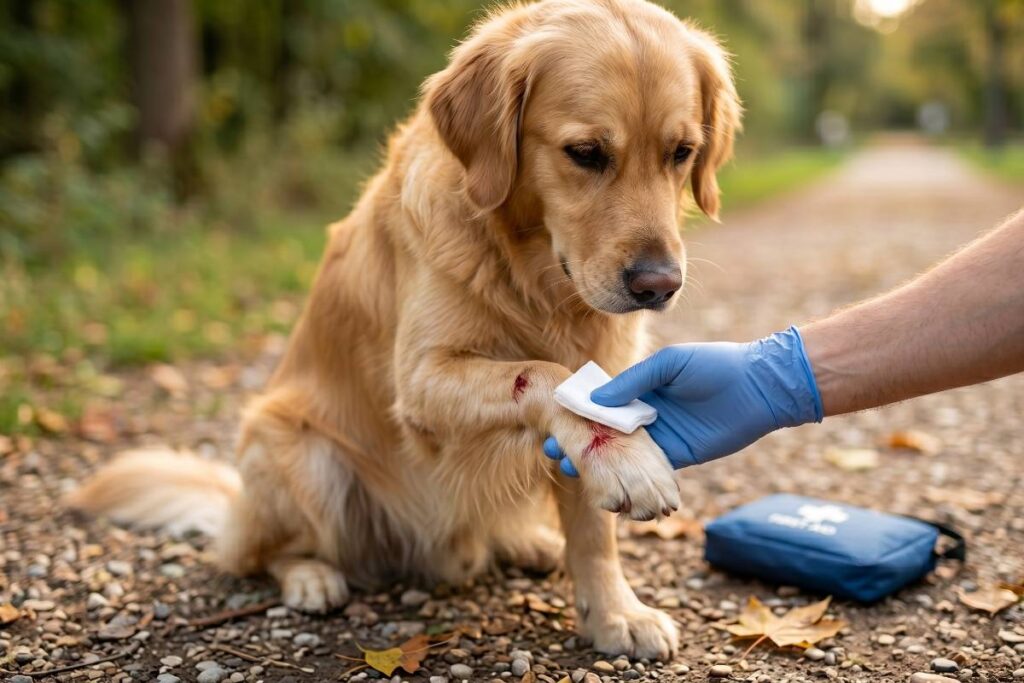
Veterinarians often talk about the “golden hour” in emergencies—the critical period immediately after an injury when fast action can prevent complications.
If your dog cuts their paw during a hike or your cat suffers a minor burn from a hot surface, every minute counts. Searching through cabinets or running to the store wastes precious time.
Having pet first aid kits ready at home allows you to respond quickly. You can clean wounds, stop minor bleeding, or stabilize your pet while arranging veterinary care.
Preparedness doesn’t replace professional treatment, but it can buy valuable time.
Peace of Mind
Beyond the practical benefits, there’s another reason responsible owners create emergency kits: peace of mind.
Knowing that you have the tools to help your pet in a stressful situation can reduce panic and help you stay calm. And when you’re calm, you’re better able to help the animal that depends on you.
Simply put, preparation makes you a more confident and capable caregiver.
Anatomy of the Ultimate DIY Pet First Aid Kit
Now that you understand why they matter, let’s break down what actually belongs inside pet first aid kits. A good kit focuses on four essential categories: wound care, sanitation, tools, and emergency extras.
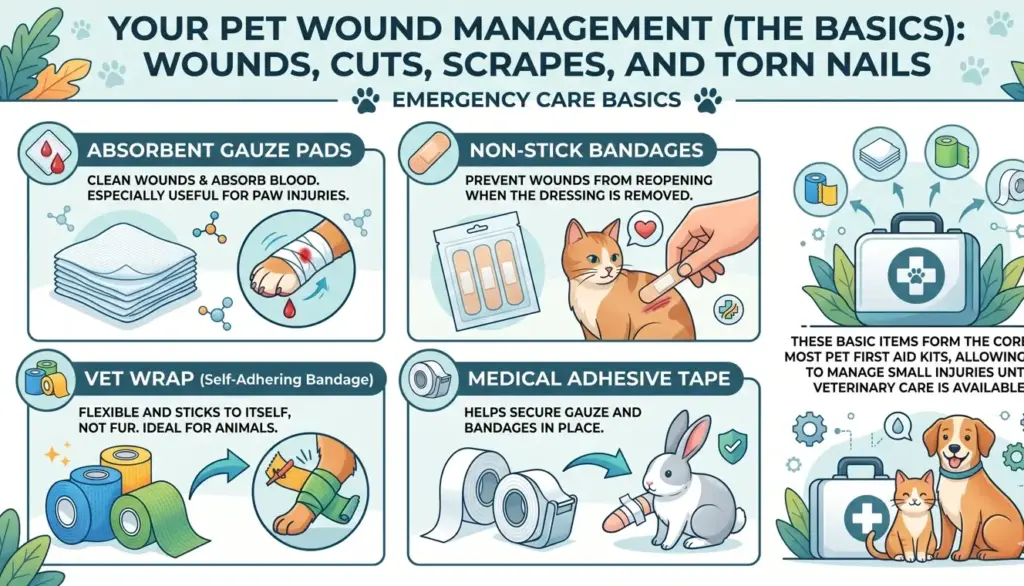
Wound Management (The Basics)
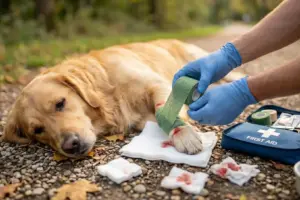
Minor injuries are among the most common pet emergencies. Cuts, scrapes, and torn nails happen more often than most people expect.
Your kit should include:
Absorbent Gauze Pads
These pads help clean wounds and absorb blood. They are especially useful for paw injuries.
Non-Stick Bandages
Non-stick bandages prevent wounds from reopening when the dressing is removed.
Vet Wrap (Self-Adhering Bandage)
Vet wrap is flexible and sticks to itself rather than fur, making it ideal for animals.
Medical Adhesive Tape
Tape helps secure gauze and bandages in place.
These basic items form the core of most pet first aid kits, allowing you to manage small injuries until veterinary care is available.
Sanitation and Cleaning
Before treating any wound, cleaning the area is essential to prevent infection.
Your kit should contain:
Sterile Saline Solution
Saline is gentle and effective for rinsing debris from wounds or flushing irritated eyes.
Alcohol-Free Antiseptic Wipes
These wipes clean cuts without causing unnecessary stinging or irritation.
Pet-Safe Antiseptic Solution
A mild antiseptic can help disinfect small wounds before bandaging.
Maintaining cleanliness is one of the most important aspects of emergency pet care.
Essential Tools
Certain tools make emergency treatment far easier.
Blunt-Ended Scissors
These allow you to safely cut bandages or remove hair around wounds without risking additional injury.
Tweezers or Tick Removal Tools
Ticks and splinters are common issues for outdoor pets. A specialized removal tool helps eliminate parasites safely.
Digital Thermometer
Monitoring your pet’s temperature can reveal signs of infection or illness. As mentioned earlier, a normal range for dogs and cats is 101°F to 102.5°F.
Disposable Gloves
Gloves protect both you and your pet while handling injuries.
When properly stocked, pet first aid kits allow owners to respond calmly and effectively.
Emergency Extras
Some situations require more specialized items.
Styptic Powder
If a pet’s nail is cut too short, it may bleed heavily. Styptic powder quickly stops bleeding.
A Soft Muzzle
Even the gentlest pet may bite when in pain. A soft muzzle protects both the animal and the caregiver.
A Soft Towel or Blanket
A plush towel—can help immobilize an injured pet or provide comfort during transport.
These additional supplies make pet first aid kits more versatile during stressful moments.
Customizing Your Kit for Different Pets
While basic supplies remain the same, the ideal kit may vary depending on the type of pet you have.
The Adventure Dog
Active dogs who love hiking, camping, or long walks may encounter different risks than indoor pets.
For these dogs, portable pet first aid kits should include:
- Collapsible water bowls
- Paw balm for cracked pads
- Extra bandages for trail injuries
- Tick removal tools
Outdoor adventures are wonderful for dogs, but preparation ensures that minor mishaps don’t ruin the day.
The Indoor Cat
Cats face different risks, especially inside the home.
Curious cats may encounter household toxins, string-like objects, or minor scratches from climbing accidents.
For cat owners, it may be helpful to include:
- Eye wash solution
- Tweezers for removing small debris
- Information about common household toxins
Cats also tend to hide when injured, so keeping pet first aid kits accessible helps you act quickly when problems arise.
Pets with Special Needs
Some pets require extra planning.
If your dog or cat has a chronic health condition, include:
- Copies of medical records
- Emergency contact numbers for your veterinarian
- A 14-day supply of regular medications
Preparedness ensures you’re ready not only for injuries but also for health-related emergencies.
Storage and Maintenance: Keeping Your Kit Rescue-Ready
A first aid kit is only useful if it’s easy to find and properly maintained.
Location Matters
Your main kit should be stored in a central and visible location, such as a hallway cabinet or laundry room.
Everyone in the household should know where it is.
In an emergency, you don’t want to waste time searching.
The 6-Month Audit
Supplies expire or run out.
Every six months, review your pet first aid kits and check:
- Expiration dates on solutions and medications
- Missing or used supplies
- Condition of bandages and tools
Regular maintenance keeps your kit ready when it’s needed.
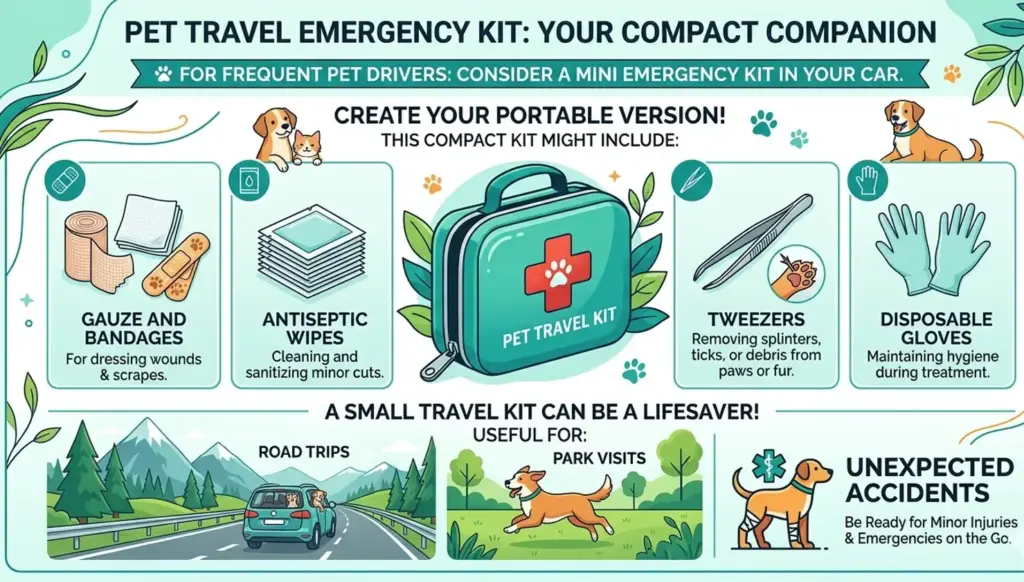
Create a Travel Kit
If you frequently drive with your pet, consider a mini emergency kit in your car.
This portable version might include:
- Gauze and bandages
- Antiseptic wipes
- Tweezers
- Disposable gloves
A small travel kit can be a lifesaver during road trips, park visits, or unexpected accidents.
Knowledge Is the Best Supply
At the end of the day, even the most complete pet first aid kits are only as effective as the person using them.
Learning basic pet first aid techniques—such as wound cleaning, bandaging, and recognizing signs of distress—can dramatically improve your ability to help your animal in an emergency.
Preparedness isn’t about fear. It’s about love.
At Furrycozy, we celebrate the unique bond between people and their pets. Our goal is to create products and experiences that make everyday life safer, warmer, and more joyful for animals and the families who care for them.
Because when your home is prepared, your pet’s world becomes a little safer—and a lot more comfortable.
If you’d like to explore accessories that help create a safe and beautiful home for your pet, visit www.furrycozy.com and discover thoughtfully designed essentials made with comfort and care in mind. 🐾










RECENT COMMENTS