
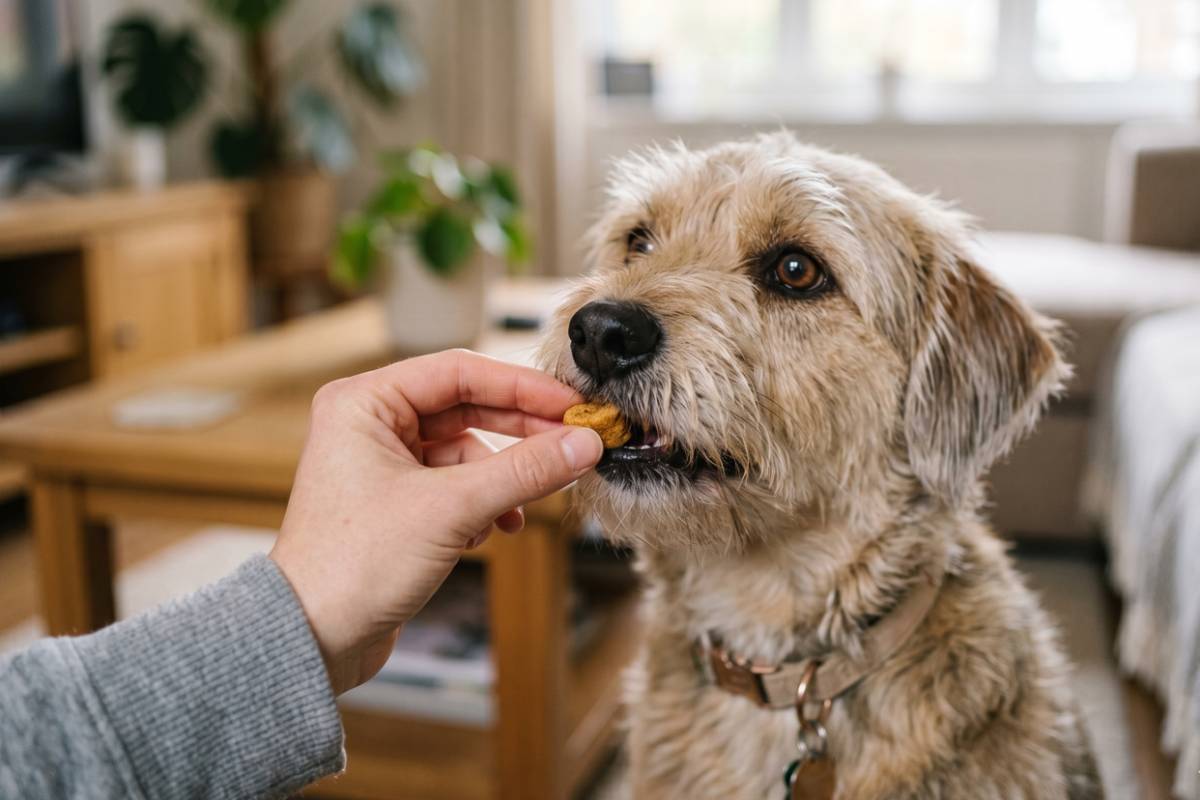
Best dog treats for sensitive stomachs: Vet-smart options for easy digestion

Best dog treats for sensitive stomachs: Vet-smart options for easy digestion

Best dog treats for sensitive stomachs that stay gentle: what to choose, what to skip, portion rules, plus easy swaps and a 7-day test plan.
best dog treats for sensitive stomachs can make snack time calmer when your dog gets gas, loose stool, or vomiting after treats.
Treats feel small, but they’re concentrated calories and ingredients. For a sensitive gut, one rich chew can undo a good week.
Use the framework below to choose options that are easier to digest, test them safely, and keep training fun without stomach drama.
What ‘sensitive stomach’ usually looks like
Many dogs don’t have one single trigger. They have a threshold, and treats can push them over it.
Common signs include soft stool, gurgling, grass-eating, burping, or turning away from food after a snack.
If symptoms are sudden and severe, or your dog seems painful, treat selection is not the right first step—get medical advice.
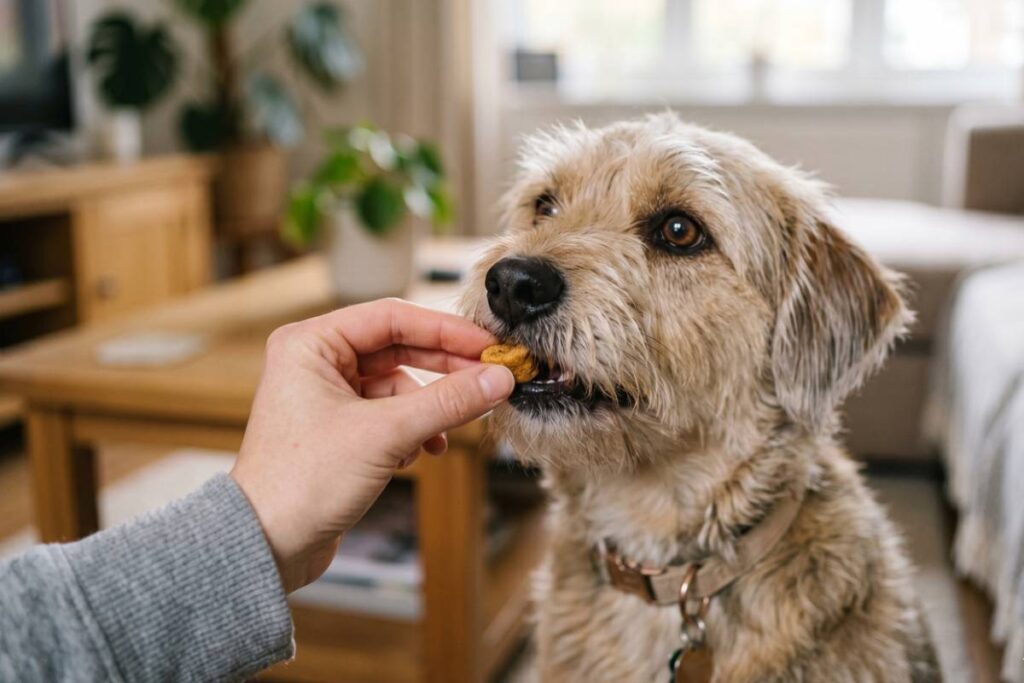
Why treats trigger flare-ups
Treats are often higher in fat than a dog’s main diet. Fat can slow digestion and increase nausea in sensitive dogs.
Strong flavor coatings, smoke flavor, and mixed-protein recipes can irritate the gut or make trigger-hunting impossible.
Even ‘healthy’ treats can backfire if they add too much fiber too quickly. Rapid fermentation can mean gas and loose stool.
The delivery matters too. Excited gulping and high arousal during training can worsen tummy trouble.
best dog treats for sensitive stomachs: ingredients to seek, best dog treats for sensitive stomachs: ingredients to avoid
Aim for a short label with one main protein and a few familiar helpers. Simple makes testing easier.
Often-tolerated proteins include turkey, lamb, whitefish, and salmon. Pick what your dog already does well with.
Helpful carbs can be rice, sweet potato, or pumpkin. These may support stool quality when used in small amounts.
Avoid very fatty chews, heavily smoked meats, and ‘everything’ blends that mix several proteins in one bag.
Skip artificial sweeteners completely. Xylitol is toxic to dogs, and other sugar alcohols can cause diarrhea.
Treat types: what they’re good for (and when they’re risky)
Soft training bites are easy to portion. They’re a solid choice when your dog needs frequent rewards.
Freeze-dried single-protein treats can be clean, but they’re sometimes rich. Start with tiny pieces.
Dental chews can add structure to a routine. The trade-off is that some formulas are high-fat.
Long-lasting bones and smoked chews are the most common ‘oops’ purchase for sensitive dogs. They often lead to greasy stool.
Label reading in 60 seconds
Scan the first five ingredients. They tell you most of what the product is actually made of.
Look for a clear calorie statement. A single big treat can equal a small meal for a toy breed.
Prefer brands that list a guaranteed analysis and have a customer support line you can reach.
If the label hides behind vague terms like ‘meat by-products’ or ‘animal digest,’ choose something clearer.
Quick checklist when you’re standing in the store
- One main protein, ideally one your dog already tolerates
- No artificial sweeteners, especially xylitol
- Moderate fat (avoid greasy chews for sensitive dogs)
- Clear calories per treat so you can portion correctly
- Size-appropriate bites that won’t be gulped
A simple comparison table (what often works vs. what often backfires)
| Treat type | Why it can help | Watch-outs |
| Limited-ingredient soft bites | Easy to chew and portion | Still test slowly |
| Freeze-dried single-protein | Minimal additives | Can be rich; start tiny |
| Pumpkin or sweet potato chews | Fiber can support stool quality | Too much fiber may cause gas |
| Sensitive-formula dental chews | Adds routine structure | Some are higher fat |
| Table scraps | Feels ‘natural’ | Often too salty or fatty |
Portion rules that prevent most problems
Keep treats under 10% of daily calories. More than that often means too much fat, too much fiber, or too many extras.
For training days, plan the treat budget first and subtract it from meals. That prevents accidental overfeeding.
Use micro-rewards. One treat can become eight pieces, and most dogs don’t care.
If your dog eats fast, deliver rewards in a calmer way. Tossing treats can spike arousal and gulping.
Treat alternatives that still feel rewarding
Kibble can be a treat if your dog already tolerates it. Put a portion in a treat pouch and train with that.
Plain cooked turkey or fish can work for some dogs. Keep it unseasoned and use it in tiny amounts.
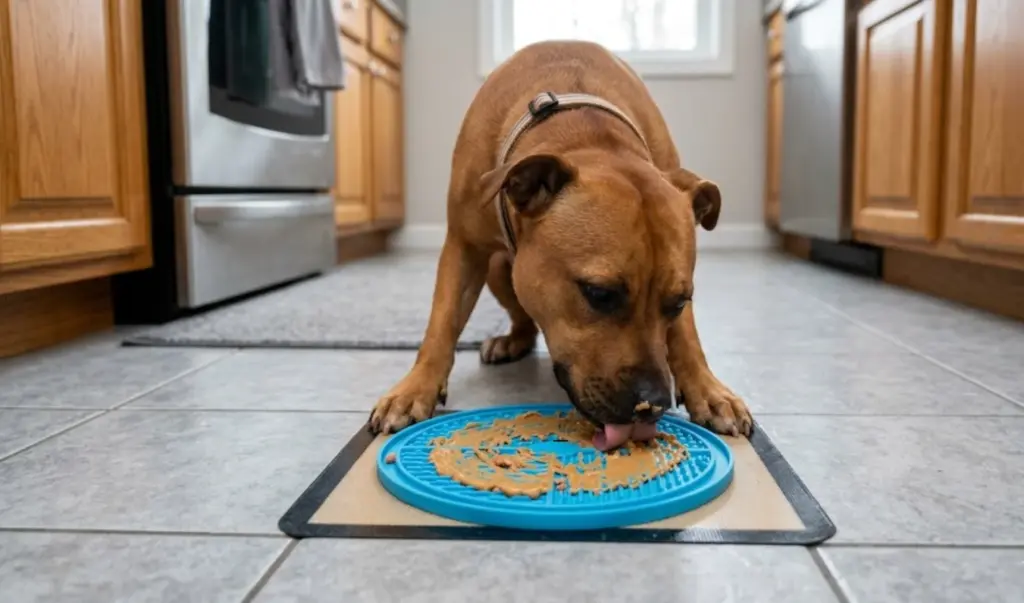
For decompression, use lick mats with a vet-approved smear. Slow licking can reduce frantic gulping.
A 7-day ‘test plan’ for a new treat
Day 1–2: pea-sized piece once per day, only if stool is normal.
Day 3–4: two pea-sized pieces per day, spaced out.
Day 5–7: slowly increase toward your real training portion.
Keep everything else the same during the test. If you change two variables, you won’t know what worked.
If diarrhea happens: a calm, safe response
Stop the new treat and return to the last safe routine for 48–72 hours.
Make water easy to access. Dehydration is a bigger risk than missing a few treat calories.
Avoid stacking ‘fixes.’ Mixing supplements, rice, and new treats makes the gut harder to read.
Write down what happened and save the label photo. That information helps your vet if this becomes a pattern.
Comfort, routine, and home setup
Stress changes gut motility. Visitors, travel, and schedule shifts can show up as stomach issues.
Create predictable snack times and keep excitement low. Calm delivery is underrated.
For messy days, keep cleanup simple with pet cleaning supplies so accidents don’t turn into a stressful event.
A cozy rest spot like calming beds can help some dogs settle after meals, especially in multi-pet homes.
When a vet visit is the right move
Go to a vet promptly if vomiting repeats, there is blood, or your dog seems weak, painful, or unusually quiet.
Also seek help if diarrhea lasts more than 48 hours, or if your dog can’t keep water down.
Treat selection is helpful, but it can’t replace diagnosis when something bigger is going on.
Simple homemade options (when your vet says it’s okay)
Homemade treats can be useful because you control every ingredient. The downside is inconsistent nutrition if you replace meals with them.
Try plain baked sweet potato slices. Keep pieces small so the fiber does not overwhelm the gut.
Plain cooked turkey pieces can work as training rewards. No salt, no oil, no seasoning.
Avoid rich ingredients like butter, cheese, and fatty beef. “A little bit” can still be too much for a sensitive dog.
Always cool foods fully before offering. Hot food can increase gulping and discomfort.
If you bake treats, keep them simple: one protein, one carb. Skip complex flour blends and sweeteners.
When in doubt, treat homemade snacks as a short-term tool while you identify triggers—not a forever solution.
Supplements: what to be careful about
Probiotics help some dogs, but not all. If you add one, introduce it like a new treat: tiny dose first, then increase.
Fiber supplements can firm stool, but too much can cause gas. Start low and adjust slowly.
Avoid multi-ingredient “gut blends” when you are troubleshooting. Too many variables makes reactions harder to interpret.
If your dog has pancreatitis history, ask your vet before adding any high-fat chews or oils.
FAQ
Q: What protein is easiest on a sensitive stomach?
For many dogs, a single familiar protein such as turkey, lamb, or fish is easiest because it reduces additive load and avoids common intolerances.
Q: Are grain-free treats better for sensitive stomachs?
Not automatically. Many dogs tolerate rice or oats; the bigger issues are fat level, additives, and too many ingredients.
Q: When should I stop treats and see a vet?
If diarrhea lasts more than 48 hours, vomiting repeats, there is blood, or your dog is lethargic or painful, contact a veterinarian promptly.












RECENT COMMENTS