
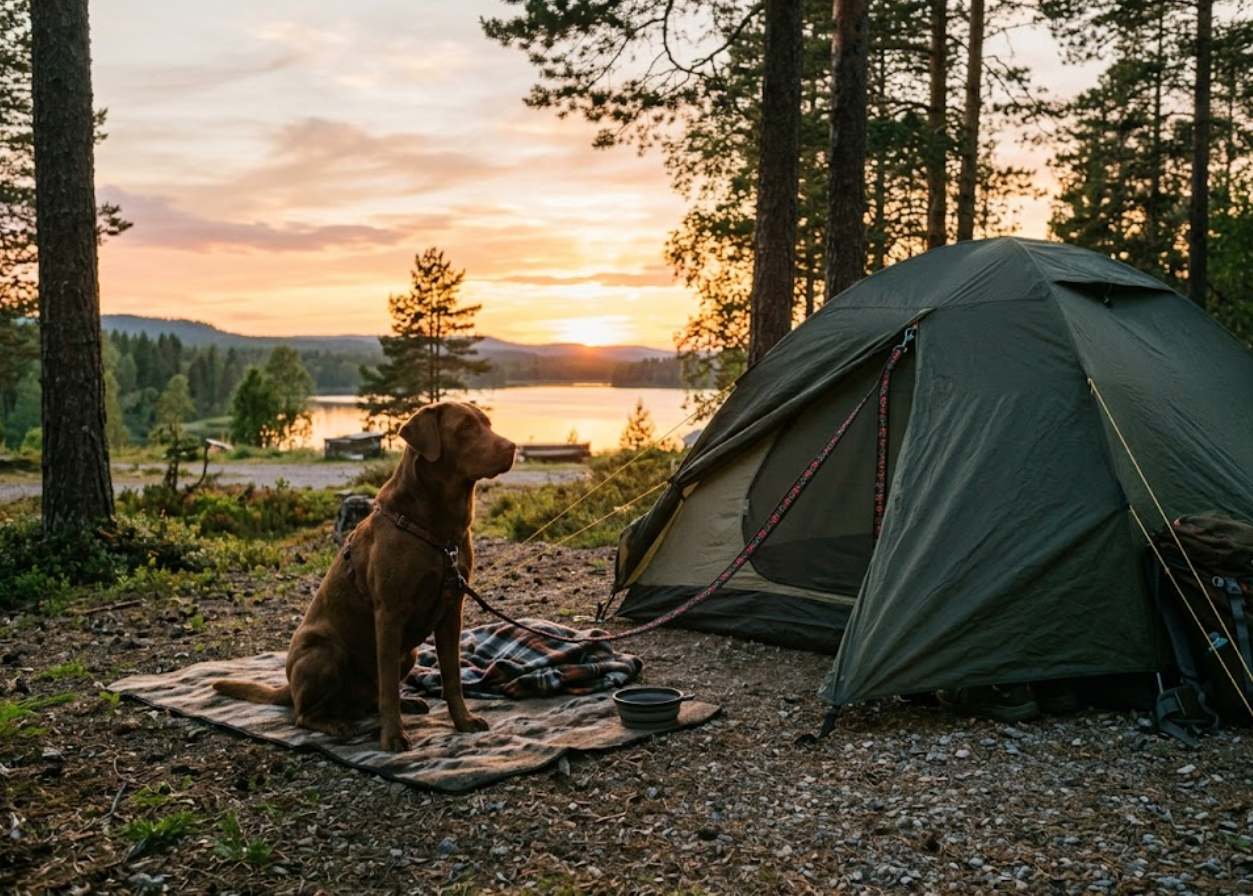
Dog Camping Gear: How to Prepare Your Dog for Their First Camping Trip

Dog Camping Gear: How to Prepare Your Dog for Their First Camping Trip

Dog camping gear helps your first trip stay safe and calm—packing, training, campsite setup, and comfort tips to camp with your dog confidently.
Dog camping gear should support safety, comfort, and good manners—so your pup’s “first night outdoors” feels predictable instead of overwhelming.
If you plan the experience like a slow introduction (not a spontaneous adventure), most dogs can learn to relax at camp, sleep well, and enjoy new smells without getting into trouble.
Start by picking a low-stakes campground: mild weather, short drive, quiet hours, and plenty of space to step away from crowds when your dog needs a break.
Before you buy anything, check the campsite rules about leashes, vaccination requirements, and trail restrictions, then match your packing list to those rules.
Know if your dog is ready (and how to tell)
A first camping trip goes best when your dog can already do three basics: settle on a mat, walk on leash without constant pulling, and respond to a recall cue in low-distraction places.
If those skills are shaky, you can still camp, but choose “training-friendly camping” (shorter stays, fewer people, easier trails) and build in more downtime.
Puppies, senior dogs, and dogs with medical conditions may need extra planning—especially for temperature control, joint comfort, and bathroom timing.
If your dog has a history of panic, aggression, or escaping, talk with your veterinarian before the trip and consider a quieter alternative like a backyard campout first.
Dog camping gear checklist: dog camping gear for safety and comfort
Packing is easier when you group items by what problem they solve: control, shelter, hydration, rest, and cleanup.
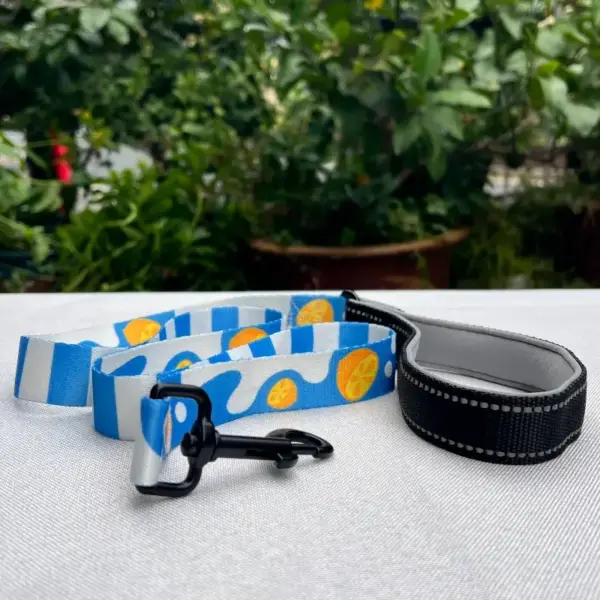
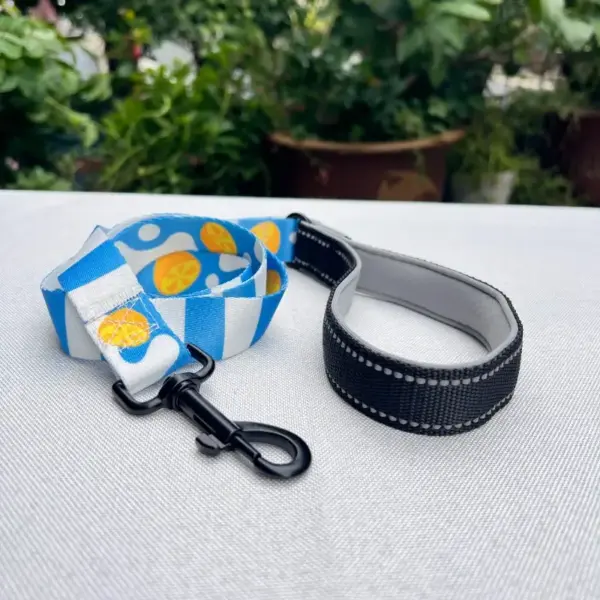
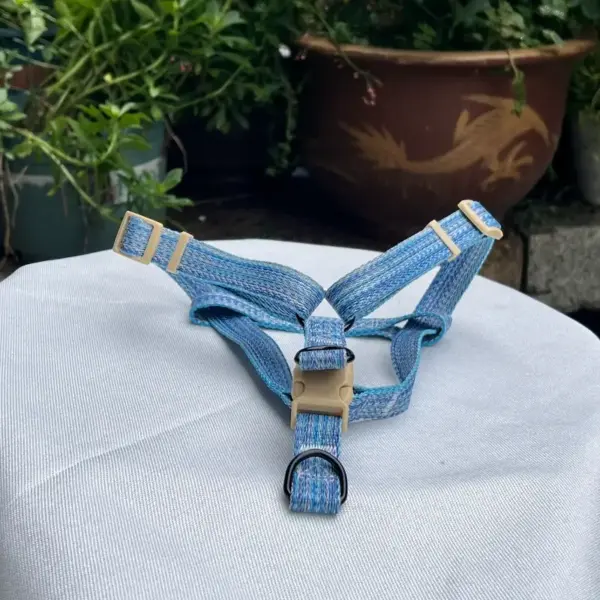
For many families, “camping dog equipment” boils down to a reliable harness + leash system, a way to prevent wandering, and a sleep setup that keeps your dog warm and dry.
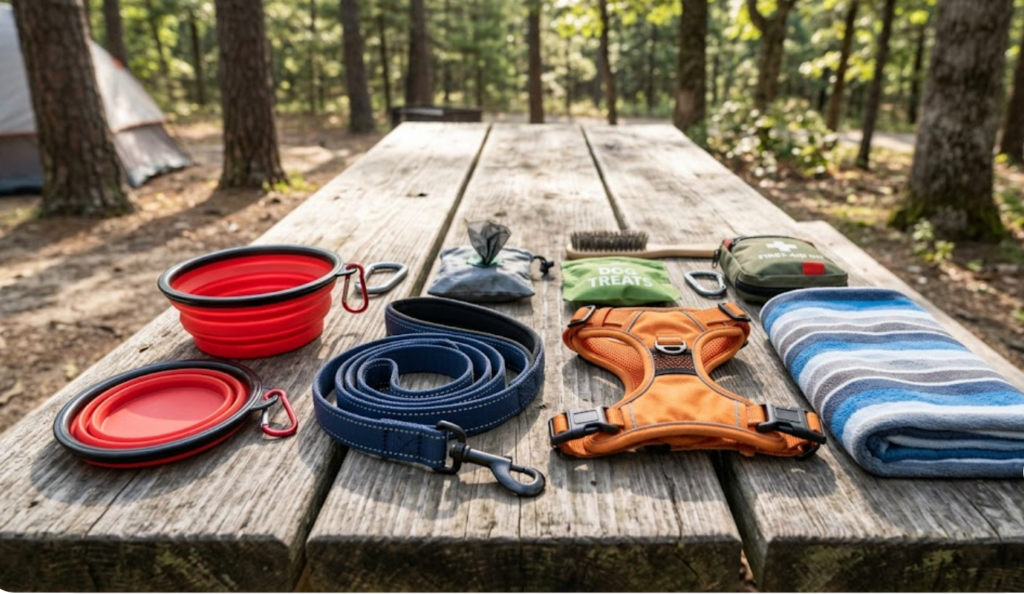
Quick packing list
- Leash + backup leash
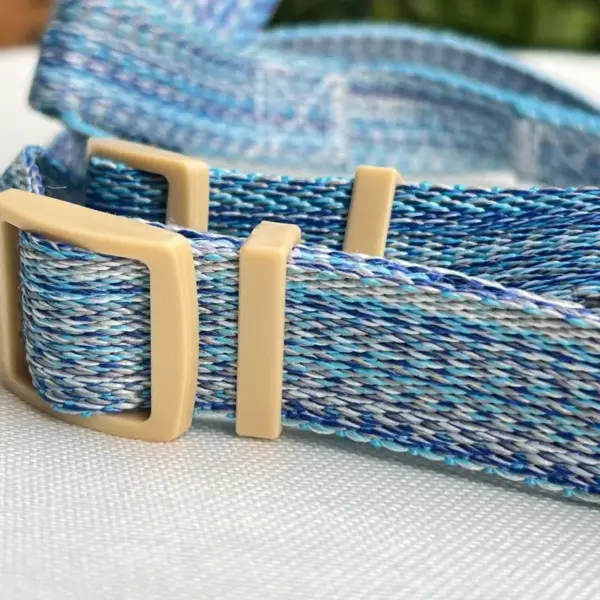
- Well-fitted harness (or collar + harness combo)
- ID tag + microchip info screenshot on your phone
- Food for each day + 1 extra day
- Collapsible bowls + measured water plan
- Long line (for controlled roaming where allowed)
- Bed or pad + familiar blanket
- Shade plan (tarp, pop-up shade, or shady site)
- Cooling/warming layer depending on season
- Poop bags + small trash bag
- Towel + pet-safe wipes
- Tick remover + basic first-aid items
Gear-by-gear table (what to bring and why)
| Category | What to pack | Why it helps | Pro tip |
|---|---|---|---|
| Control | Harness, leash, long line | Prevents bolting and tangles near people/food | Practice clipping in/out at home until it’s boring |
| Sleep | Pad/bed, blanket, crate (optional) | Better rest = less barking and pacing | Use the same sleep cue you use at home |
| Hydration | Collapsible bowl, extra water | Camping often means more panting and activity | Offer small drinks often, not huge gulps |
| Weather | Rain layer, cooling towel, booties (as needed) | Protects paws and regulates body temp | Test fit outdoors so your dog can move normally |
| Cleanup | Bags, wipes, towel | Keeps your tent and car from becoming “mud storage” | Pack a dedicated “dirty gear” zip bag |
Train the campsite behaviors before you arrive
In the week before you leave, rehearse camping moments at home: have your dog settle while you cook, zip and unzip a tent door, and ignore food smells without begging.
Teach a simple “place” behavior on a portable mat, because it gives your dog a job when your hands are busy setting up, cooking, or talking with neighbors.
Do one “sound session” by playing quiet campground audio (wind, distant voices) while your dog rests, then gradually increase volume over a few days.
If your dog is startled by gear (sleeping pads, headlamps, hiking poles), let them sniff each item, reward calm curiosity, and stop before they get jumpy.
Set up camp like a calm, fenced routine
Arrive early so you can set up without rushing; dogs often mirror human stress, and a frantic setup can turn into pulling, barking, or endless circling.
Create a “safe zone” first: water, shade, and a place to lie down, then keep your dog on leash while you finish camp tasks.
When it’s time to explore, do short sniff walks around the perimeter and return to camp, so your dog learns that camp is the home base.
If you want product ideas that match travel routines, browse Outdoor Travel items and build a simple kit around comfort and control rather than novelty.
Food, water, and bathroom logistics (the unglamorous part)
Bring the same diet your dog eats at home, because a sudden food change plus new smells can trigger diarrhea—an especially miserable problem in a tent.
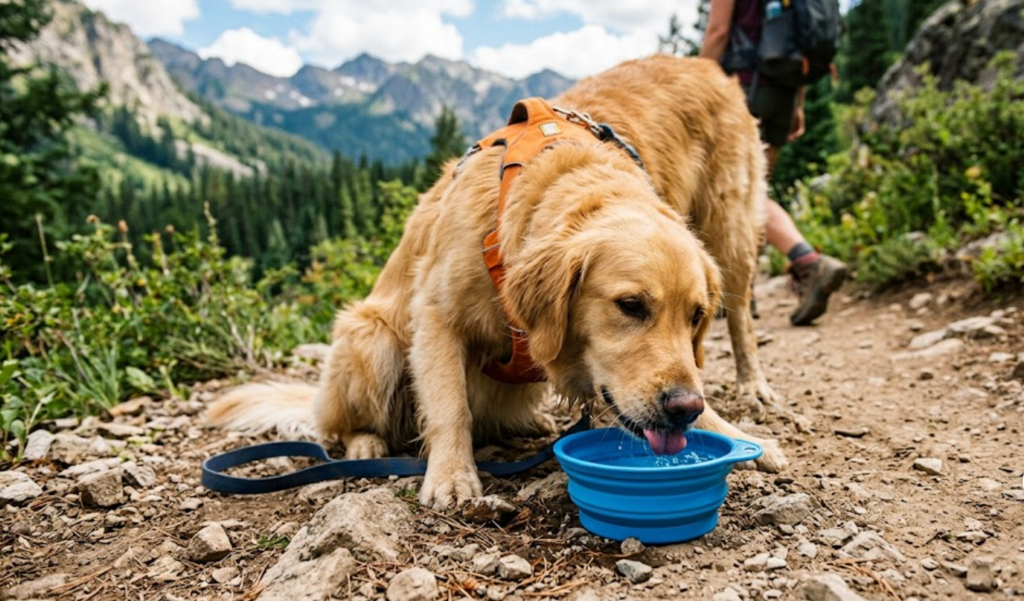
Use measured meals and avoid leaving food out; wildlife and campground pests are attracted to dog kibble just as much as human snacks.
Plan bathroom breaks like clockwork: immediately after waking, after meals, after play, and right before bed, then reward the correct spot so your dog repeats it.
If you’re unsure what “normal” should look like for hydration and heat safety, the resources in Pet Care Hub can help you spot early warning signs.
Safety checks: heat, cold, ticks, and nighttime surprises
Check the ground temperature with the back of your hand; hot surfaces can burn paws faster than many owners expect.
At night, visibility drops and wildlife activity increases, so keep your dog attached to you or to a secure system even if the campground feels quiet.
Do a full-body tick check every evening, focusing on ears, armpits, groin, toes, and under the collar.
If your dog shows heavy panting, weakness, vomiting, or confusion, treat it as urgent and seek veterinary help right away.
The “first trip” itinerary that keeps things easy
Night 1 should be about comfort, not mileage: a short arrival walk, a calm dinner, and an early bedtime routine helps your dog settle.
Day 2 can add adventure in small doses: a morning hike that matches your dog’s conditioning, a midday rest, then a gentle sunset walk.
Keep expectations realistic—many dogs sleep less in a new place, so schedule extra nap time instead of stacking activities.
Add one “boring block” to the schedule: 20–30 minutes of calm chewing or mat time while you read, so your dog practices relaxing even when there’s action nearby.
Follow quiet hours and keep greetings brief; a few controlled hellos are better than nonstop excitement that leads to barking after dark.
Make a simple emergency plan: nearest vet address saved offline, a photo of your dog on your phone, and a clear rule for who holds the leash during transitions.
When you’re back home, clean and store items together so your next trip is faster, and consider restocking from Shop once you know what actually got used.
FAQ
Q1: What’s the most important item to bring for camping with a dog?
A: A secure leash-and-harness setup, because it prevents bolting, protects wildlife, and keeps everyone safe at camp.
Q2: How do I help my dog sleep in a tent for the first time?
A: Bring a familiar bed/blanket, run your normal bedtime cue, and keep the first night quiet with extra sniff walks and early lights-out.
Q3: Should I feed my dog more food while camping?
A: Usually only a little more—adjust based on activity level, but keep the same food and portion it to avoid stomach upset.





RECENT COMMENTS