
Cat Safety: The Comprehensive Guide to a Secure and Happy Home

Cat Safety: The Comprehensive Guide to a Secure and Happy Home

Is your home truly safe for your feline friend? Explore our comprehensive guide on cat safety, covering everything from room-by-room cat-proofing to toxic plant awareness.
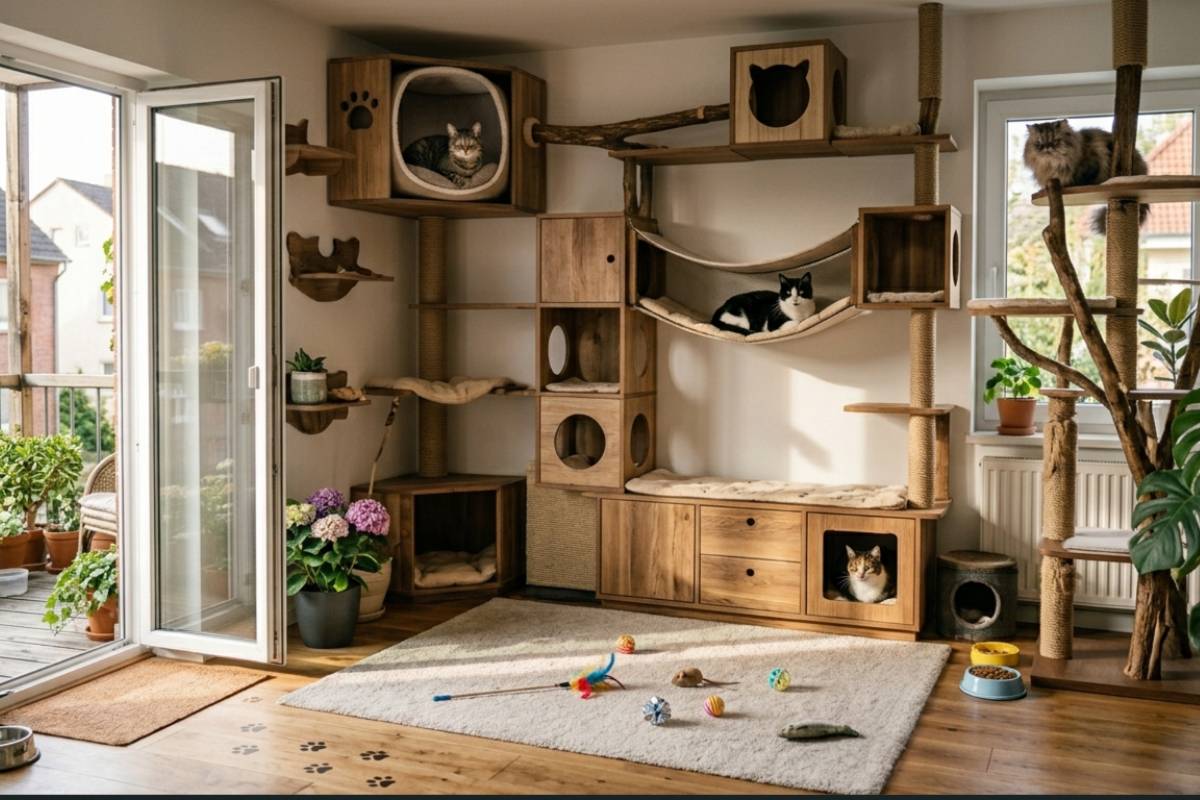
Cats have a special way of becoming family. They curl up beside us on quiet evenings, greet us at the door, and turn ordinary moments into comforting rituals. For many pet parents, their feline companion isn’t just a pet—it’s a beloved member of the household.
That’s exactly why cat safety matters so much. Our homes should feel like a peaceful sanctuary for our cats, a place where they can explore, nap, and play without hidden dangers. Yet many everyday objects—from houseplants to window ledges—can pose unexpected risks to curious felines.
Cats are naturally inquisitive. They climb high shelves, squeeze into tight corners, and investigate anything that moves or sparkles. This adventurous nature is charming, but it also means we need to think ahead. By understanding the risks and taking a few thoughtful precautions, you can create a home that supports both your cat’s curiosity and their well-being.
This guide will walk you through everything you need to know about cat safety, from practical indoor cat safety tips to identifying toxic plants for cats and learning the basics of cat-proofing your home.
Room-by-Room Cat-Proofing: Your Safety Checklist
Creating a safe environment starts with looking at your home through your cat’s eyes. Every room contains potential hazards—but also opportunities to design a space that keeps your feline friend secure.
The Kitchen & Bathroom (High-Risk Zones)
The kitchen and bathroom are often the most dangerous rooms for cats. These spaces contain cleaning chemicals, water hazards, and appliances that can pose serious risks.
Start with household cleaners. Many detergents, disinfectants, and sprays contain chemicals that are toxic to cats. Always store cleaning products in closed cabinets, and wipe down surfaces thoroughly before allowing your cat near them.
Another simple habit that protects your cat: keep the toilet lid closed. Curious cats sometimes drink from toilet bowls, which may contain cleaning chemicals or bacteria. In rare cases, kittens have even fallen in and struggled to get out.
Appliances also require attention. Before starting your washing machine or dryer, take a moment to check inside. Cats love warm, enclosed spaces, and they can easily slip into a drum unnoticed.
These small precautions are some of the most important indoor cat safety tips you can follow.
Living Areas & Bedrooms
Your living room and bedroom may seem harmless, but everyday objects can still create hazards.
Electrical cords are a common problem. Some cats enjoy chewing cables, which can lead to burns or electric shock. Consider using cord protectors or cable covers to keep wires safely tucked away.
Window blinds and curtain cords can also be dangerous. Cats may play with dangling strings, but these cords can quickly turn into a strangulation risk. Shortening or securing them against the wall is a simple but effective step in cat-proofing your home.
It’s also worth scanning shelves and tables for small items—rubber bands, hair ties, or decorative objects—that curious paws might knock down or swallow.
The “High-Rise Syndrome” (Windows & Balconies)
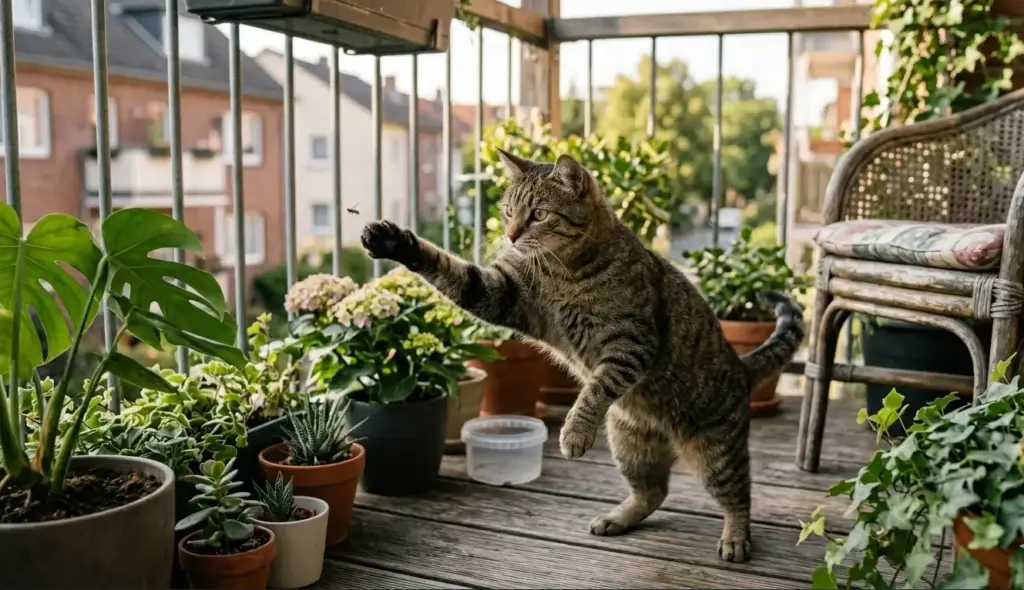
For apartment dwellers, windows and balconies require extra care. Veterinarians often refer to “high-rise syndrome,” a term describing injuries caused when cats fall from elevated windows or balconies.
To prevent accidents:
Cats may try to chase birds or insects outside, forgetting how high they are. Even experienced climbers can lose balance on narrow ledges.
A few simple installations can make a huge difference in keeping adventurous cats safe.
- Install secure window screens
- Avoid leaving windows fully open without barriers
- Add protective mesh or netting for balcony safety for cats
Greenery vs. Cat Safety: Toxic Plants and Household Hazards
Plants bring life and beauty to a home—but not every plant is safe for cats.
The Deadly Lilies and Other Common Plants
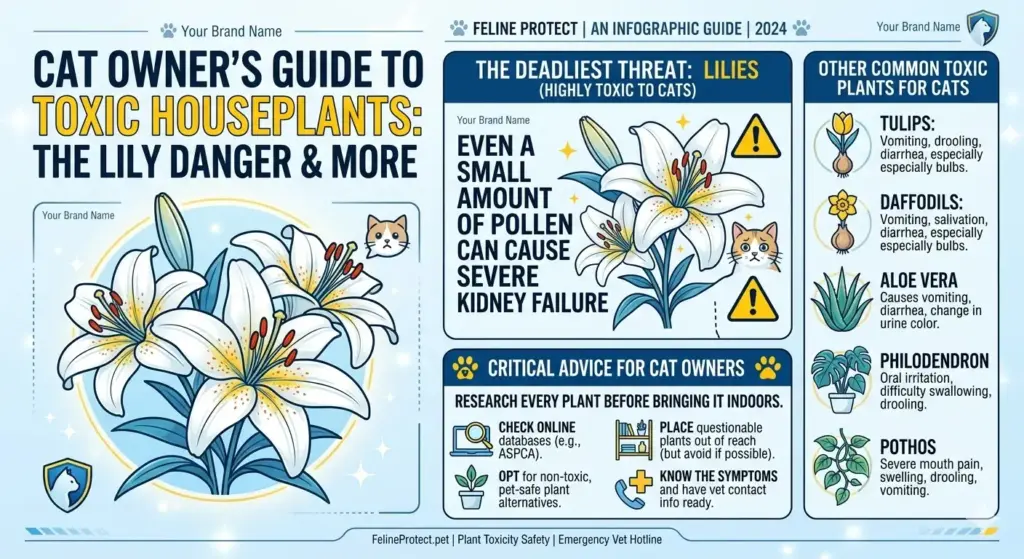
Many pet owners are surprised to learn that some popular houseplants are extremely dangerous for felines. Among the most dangerous are lilies, which are highly toxic to cats. Even a small amount of pollen can cause severe kidney failure.
Other toxic plants for cats include:
If you share your home with a cat, it’s best to research every plant before bringing it indoors.
- Tulips
- Daffodils
- Aloe vera
- Philodendron
- Pothos
Essential Oils and Fragrances
Many modern homes use essential oils, scented candles, or diffusers to create a relaxing atmosphere. Unfortunately, some fragrances can irritate a cat’s respiratory system or even cause poisoning if ingested.
If you enjoy scented products, make sure the space is well ventilated and keep diffusers out of your cat’s reach.
Cats process certain compounds differently than humans, making them more sensitive to strong oils like tea tree, eucalyptus, and citrus oils.
Creating a Cat-Safe Garden
The good news is that you don’t have to give up greenery entirely. Instead, focus on plants that are safe for cats.
Some pet-friendly options include:
- Cat grass
- Catnip
- Spider plants
- Bamboo palms
These alternatives allow your home to stay vibrant while protecting your cat’s health.
Safe Play: Choosing Non-Toxic and Choke-Proof Toys
Playtime is essential for a cat’s physical and mental well-being. However, not every toy on the market is designed with cat toy safety in mind.
The Dangers of String, Yarn, and Small Parts
Many cats love chasing strings or yarn. While these toys seem harmless, they can actually be very dangerous.
If swallowed, strings may become trapped in a cat’s digestive system, potentially causing a life-threatening condition called intestinal obstruction. This often requires emergency surgery.
Similarly, toys with loose feathers, beads, or small detachable parts can become choking hazards.
When choosing toys, look for sturdy designs made from non-toxic materials and avoid anything that could easily break apart.


Furrycozy’s Commitment to Play Safety
At Furrycozy, playtime safety is a core part of our design philosophy.
Our toys are thoughtfully crafted not only with cats’ visual preferences in mind—using colors like blue and yellow that stand out to feline eyes—but also with strict cat safety standards guiding every step of the design process.
From carefully selected materials to durable construction, each product is designed to minimize risks while maximizing enrichment and joy. Because for us, a toy isn’t just entertainment—it’s part of a safe and happy life for your cat.
Feline Behavioral Safety: Stress Management
Safety isn’t only about physical hazards. A truly secure environment also supports your cat’s emotional well-being.
Safe Hiding Spots and Vertical Space
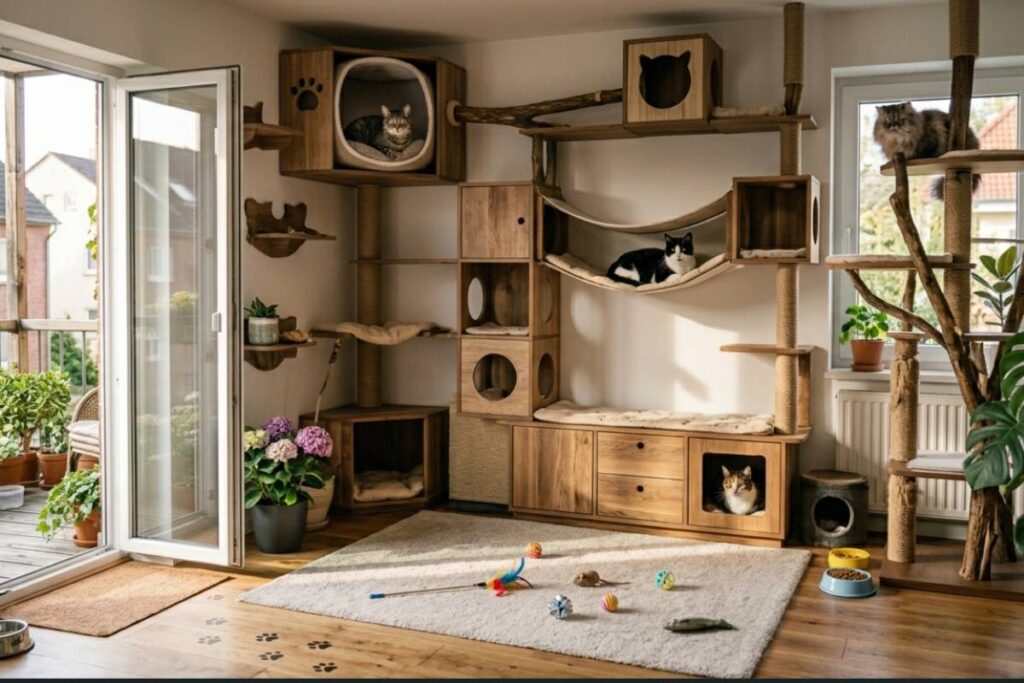
Cats naturally seek safe places to retreat. Providing cozy hiding spots—such as cat beds, tunnels, or quiet corners—helps reduce stress and allows cats to relax when they feel overwhelmed.
Vertical space is equally important. Cat trees, shelves, and climbing structures give cats a safe way to observe their environment from above, satisfying their instinct to perch and watch.
These features are often overlooked but play a crucial role in overall cat safety and happiness.
Multi-Cat Households: Preventing Territory Conflict
In homes with multiple cats, territory disputes can create tension and even injuries.
To maintain harmony:
- Provide multiple litter boxes
- Offer separate feeding areas
- Ensure each cat has its own resting space
Giving each cat room to claim a safe personal zone reduces competition and encourages peaceful coexistence.
A Lifetime of Protection with Furrycozy
Creating a safe home for your cat isn’t something you do once—it’s an ongoing process. As your cat grows, their behaviors change, and new risks may appear. Staying observant and proactive is the best way to protect your feline companion.
At Furrycozy, our mission is to help every pet family create a home filled with comfort, warmth, and security. Just like our name suggests, we believe pets should feel surrounded by care in every detail—from safe toys to thoughtfully designed essentials.
Because when your cat feels safe, they can truly thrive.
If you’d like to explore carefully selected products designed with feline safety in mind, visit www.furrycozy.com and discover ways to make your home an even safer sanctuary for the cat you love.












RECENT COMMENTS