
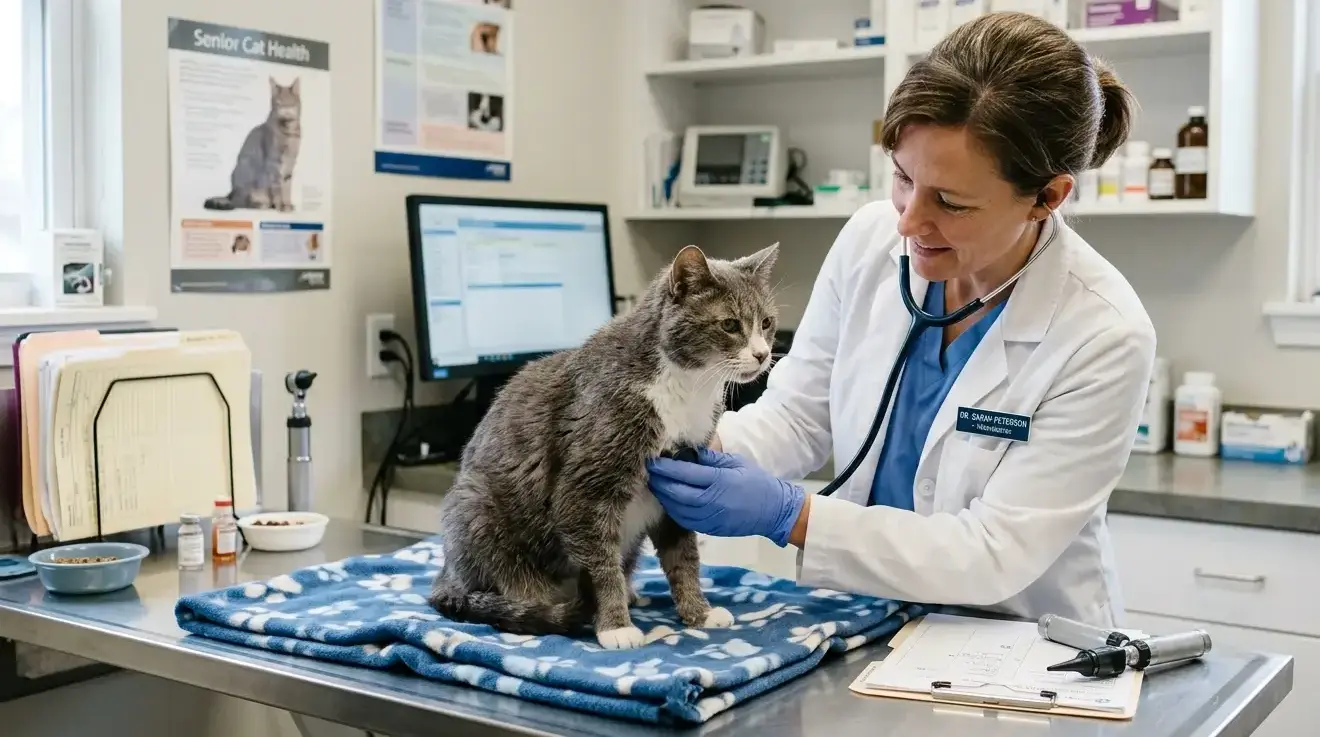


The Senior Cat Feeding Guide provides a comprehensive overview of the physiological changes, essential nutrients, dietary management, common disease-related feeding adjustments, and practical feeding tips for cats aged 7 and above
Physical Changes For Senior Cat
- Slower Metabolism: Basal metabolic rate decreases by 15-20%, requiring a 10-30% reduction in calorie intake based on activity level.
- Weakened Digestion: Reduced intestinal absorption efficiency, requiring highly digestible ingredients (e.g., hydrolyzed protein, pre-digested fiber).
- Joint Degeneration: 60% of senior cats develop arthritis, necessitating joint supplements (glucosamine, chondroitin).
- Declining Kidney Function: Reduced glomerular filtration rate, requiring phosphorus control (≤0.6% dry matter) and high-quality, low-protein diets.
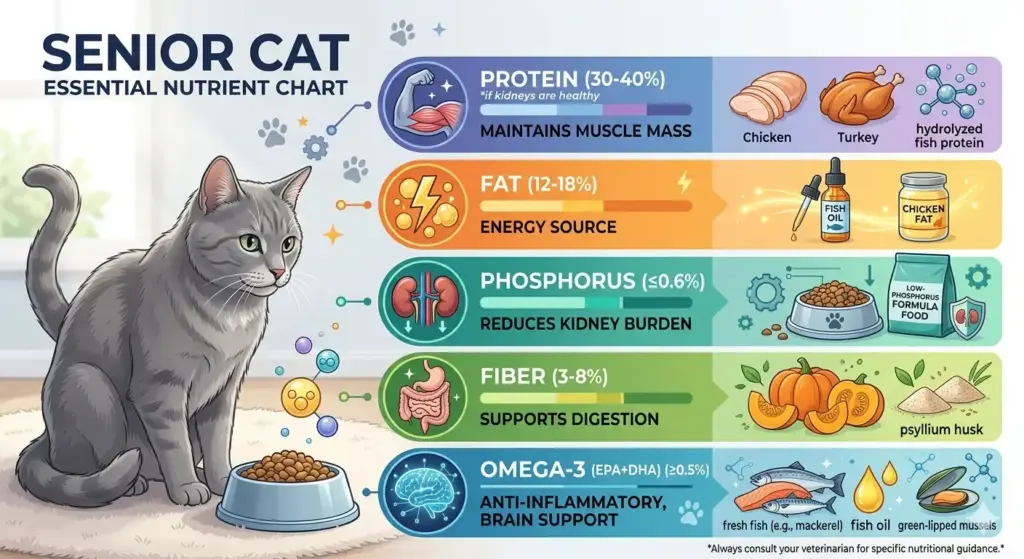
Senior Cat Essential Nutrient Chart
| Protein | 30-40% (if kidneys are healthy) | Maintains muscle mass | Chicken, turkey, hydrolyzed fish protein |
| Fat | 12-18% | Energy source | Fish oil, chicken fat |
| Phosphorus | ≤0.6% | Reduces kidney burden | Low-phosphorus formula food |
| Fiber | 3-8% | Supports digestion | Pumpkin, psyllium husk |
| Omega-3 (EPA+DHA) | ≥0.5% | Anti-inflammatory, brain support | Fish oil, green-lipped mussels |
Tailored Senior Cat Feeding Plans
Recommended Food Choices
- Wet Food Options:
- At least one can (85g) of high-moisture food per day; prioritize gel-free formulas (e.g., Weruva).
- Homemade meals: boiled chicken breast + pumpkin (4:1 ratio), no more than 3 times a week.
- High-Quality Dry Food:
- Selection criteria: crude protein ≥35%, phosphorus ≤0.6%, glucosamine ≥500mg/kg.
- Suggested brands: Hill’s Science Diet Senior 11+, Royal Canin Aging 12+.
Senior Cat Age-Specific Feeding Strategies
| Age Group | Caloric Needs (kcal/day) | Key Focus |
|---|---|---|
| 7-10 years | 200-280 (based on weight) | Prevent obesity, add joint support |
| 11-14 years | 180-240 | Enhance food palatability, add digestive enzymes |
| 15+ years | 160-220 | Soft/liquid food, increase water intake |
Functional Nutritional Supplements
Joint Health:
Green-lipped mussel powder: 200mg/day (natural glucosamine source).
Chondroitin: 10-15mg/kg body weight.
Digestive Support:
Probiotics: Saccharomyces boulardii (500 million CFU/day).
Prebiotics: Inulin (0.5g/day, mixed with food).
Cognitive & Antioxidant Support:
Vitamin E (10 IU/day) + Alpha-Lipoic Acid (10mg/day) to slow cognitive decline.
IDietary Management for Common Senior Cat Diseases
Chronic Kidney Disease (CKD)
- Dietary Guidelines:
- Low phosphorus (≤0.4%), low sodium, high-quality protein (≤30%).
- Recommended prescription diets: Purina NF Kidney Function.
- Hydration Strategies: Subcutaneous fluids (vet-advised) + homemade meat broth frozen into cubes.
Hyperthyroidism
- Iodine Restriction: Avoid seafood and seaweed, opt for low-iodine diets (e.g., Hill’s y/d).
- High-Calorie Support: Increase fat intake to 20%, feed smaller, frequent meals (5-6 times daily).
Diabetes
- Carbohydrate Control: Carbs ≤10%, high-protein, low-carb wet food (e.g., Tiki Cat).
- Feeding Schedule: Align with insulin injections, maintain a fixed meal routine.
Senior Cat Practical Feeding Techniques & Tools
Optimizing Feeding Environment
- Bowl Selection:
- Elevated ceramic bowls (reduces neck strain).
- Slow-feed bowls (prevents gulping).
- Temperature Control: Warm food to 38-40°C (enhances aroma, stimulates appetite).
Solutions for Feeding Issues
| Problem | Solution |
|---|---|
| Poor appetite | Sprinkle a small amount of catnip powder/bone broth powder |
| Difficulty chewing | Crush dry food and mix with meat puree |
| Constipation | Add 1/4 tsp psyllium husk powder |
| Diarrhea | Switch to a single-protein diet (e.g., rabbit) + administer Montmorillonite clay (based on weight) |
Recommended Monitoring Tools for Your Cat
- Weight Tracking: Use a baby scale weekly (±10g accuracy).
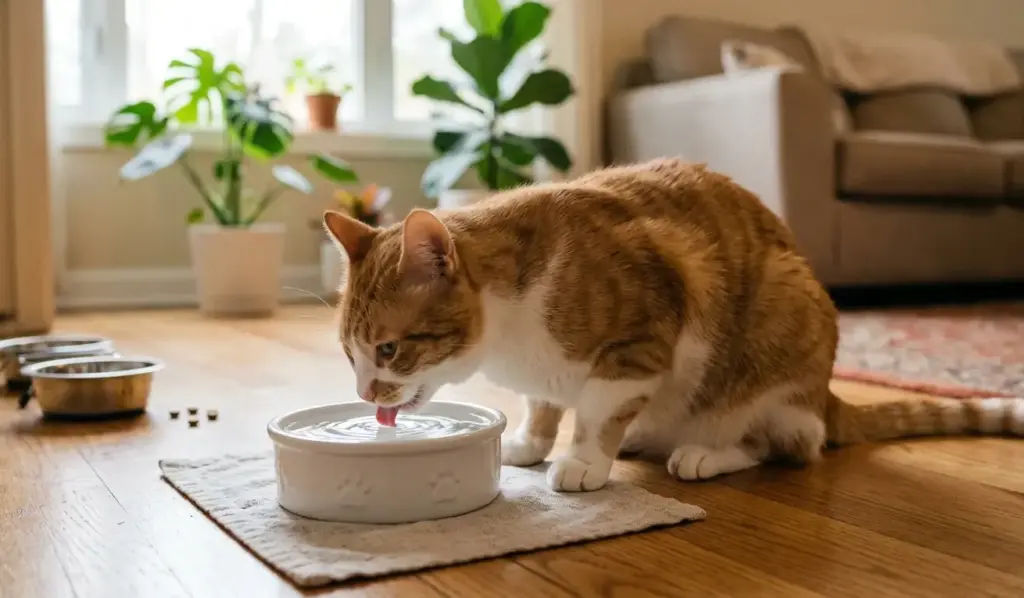
- Water Intake Monitoring: Smart water fountains with built-in consumption tracking (e.g., PETKIT).
- Stool Evaluation: Use the Bristol Stool Chart (ideal type: 3-4).
Prohibited Foods & Warnings for Senior Cat
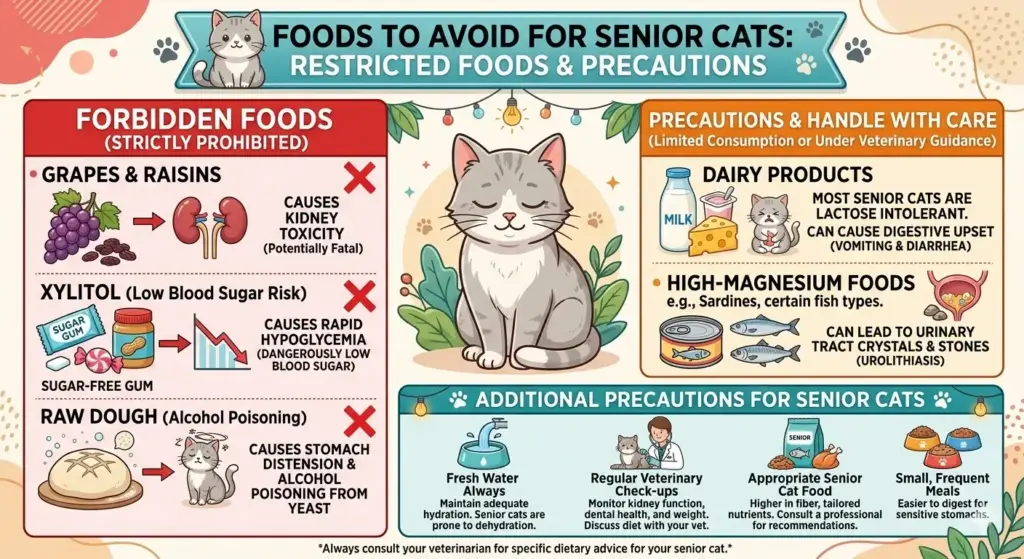
- Strictly Avoid: Grapes/raisins (kidney toxicity), xylitol (hypoglycemia risk), raw dough (alcohol poisoning).
- Use with Caution:
- Dairy products (most senior cats are lactose intolerant).
- High-magnesium foods (e.g., sardines, may cause urinary stones).
Appendix
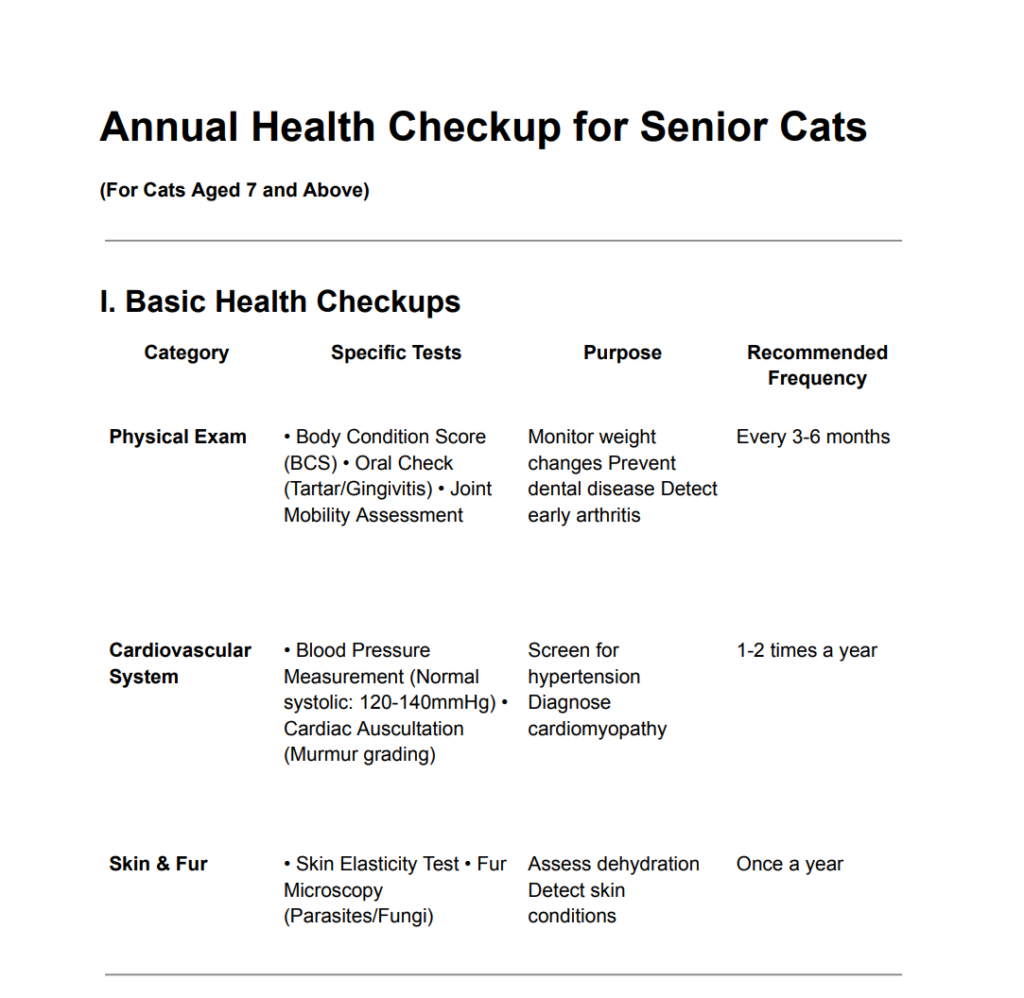
- Senior Cat Health Checkup Checklist (CBC, biochemistry panel, urine specific gravity, blood pressure).
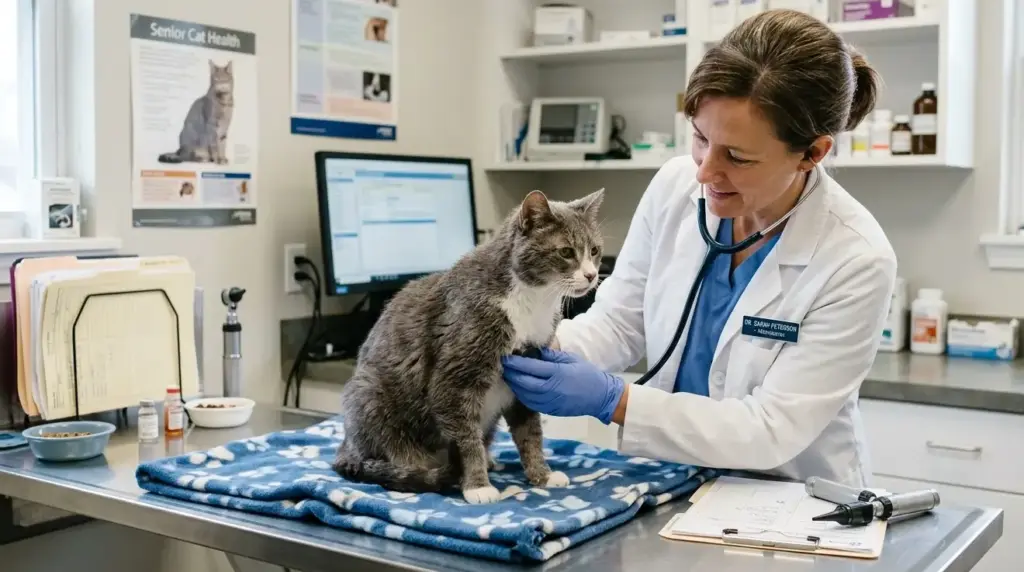
Note: This guide should be tailored to individual health conditions. It is recommended to consult a veterinarian every 6 months to adjust the feeding plan.
Download the Full PDF Guide









RECENT COMMENTS