
Cat Exercise: The Ultimate Guide to a Fit and Happy Feline

Cat Exercise: The Ultimate Guide to a Fit and Happy Feline

Is your indoor cat getting enough movement? The best cat exercise routines, play ideas, and tips to keep your feline fit, active, and happy.
Indoor cats may look like they’re living the dream—soft blankets, reliable meals, and zero predators—but this comfort comes with a hidden downside. Without proper cat exercise, even the most graceful feline can drift into boredom, weight gain, and behavioral issues. Modern indoor life removes the natural hunting challenges cats evolved for, leaving many with unused energy and unstimulated instincts.
The good news? Cat exercise doesn’t need to feel like a chore. With the right approach, daily activity can become a fun bonding ritual that supports both physical health and emotional wellbeing. At Furrycozy, the philosophy is simple: movement should feel like play, and play should feel beautiful, calming, and intentional.
This guide breaks down the science behind feline movement, creative exercise strategies, and practical ways to build a stylish, functional play environment at home.
The Indoor Predator Dilemma
Domestic cats are descendants of highly efficient hunters. In the wild, they would spend hours stalking, chasing, and capturing prey. Indoor life removes that cycle completely. Instead of multiple small hunts, cats often receive two large meals and minimal activity. The result can include:
- Weight gain and feline obesity
- Excess energy leading to nighttime zoomies
- Destructive scratching or biting
- Anxiety and boredom-related behaviors
- Reduced muscle tone and joint mobility
Regular cat exercise helps reintroduce the natural rhythm cats crave. Even short sessions simulate hunting patterns, satisfy instinctual drives, and reduce stress.
The Science of Play: The Hunt–Catch–Kill–Eat Cycle
Understanding how cats are wired makes it easier to design effective cat exercise routines. Cats naturally follow a behavioral sequence:
- Hunt – stalking and focusing on prey
- Catch – quick bursts of speed or jumping
- Kill – biting or bunny kicking
- Eat – consuming food
- Groom and Sleep – relaxation and recovery
When this cycle is missing, cats can feel restless or unsatisfied. That’s why scheduling cat exercise before meals often works best. After play, feeding a small portion helps mimic the natural reward system.
Mental vs. Physical Stimulation
Not all cat exercise is purely physical. Mental engagement is equally important. Puzzle toys, hiding treats, and interactive games challenge cognitive skills. A mentally tired cat is often calmer than one that only ran briefly.
Creative Strategies for Daily Exercise
Vertical Exploration: Turning Height into Cardio
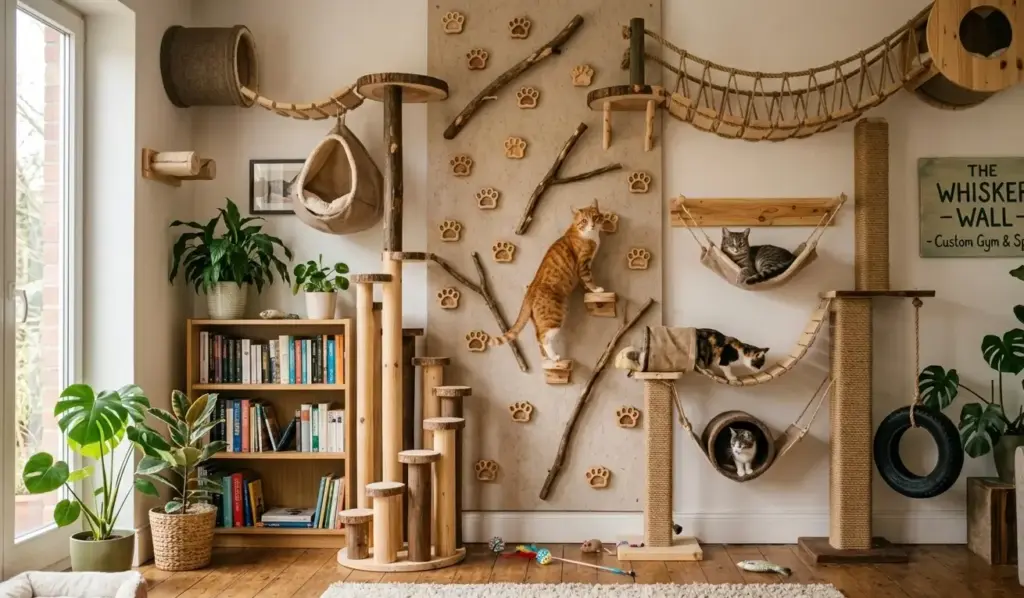
Cats naturally seek vertical territory. Climbing engages hind leg muscles and provides excellent low-impact cardio. You can encourage vertical cat exercise by:
- Installing cat trees or towers
- Using wall-mounted shelves
- Creating window perches
- Staggering furniture heights
The “floor is lava” concept encourages movement across different levels. Cats jump, balance, and explore, all while strengthening muscles.
Interactive Play: The Bonding Phase
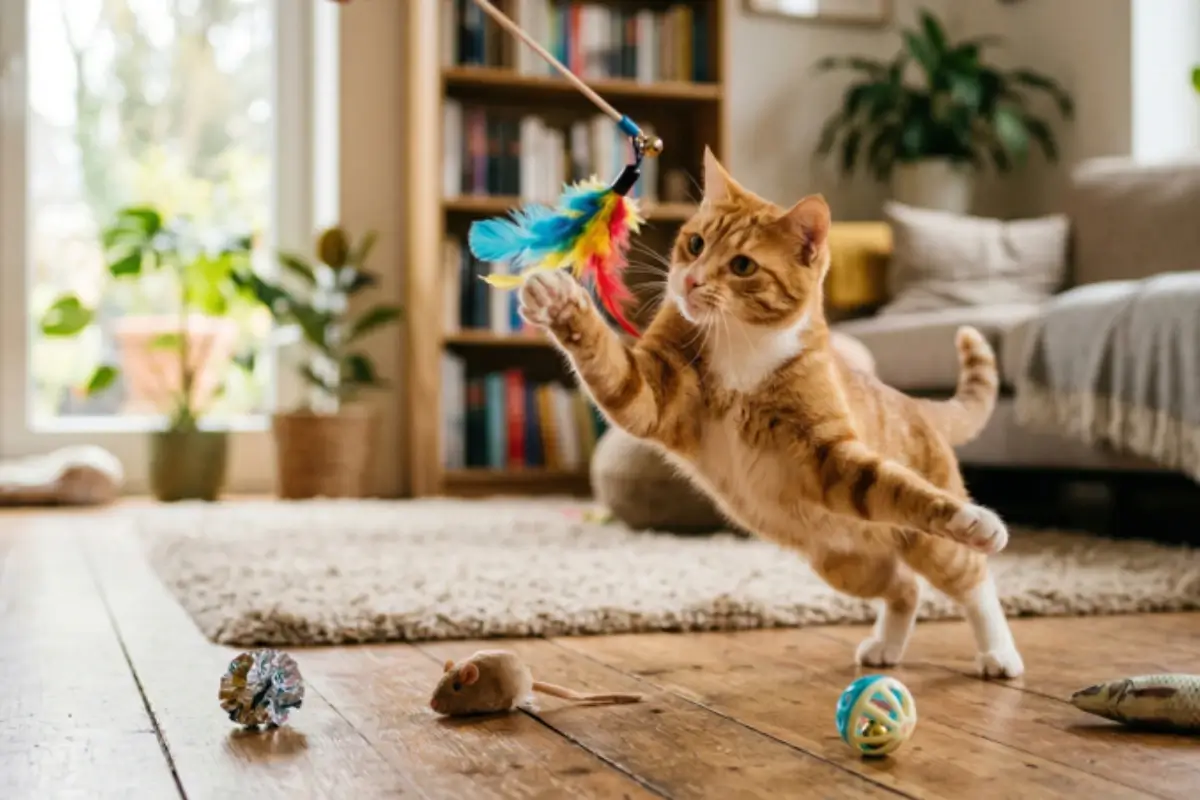
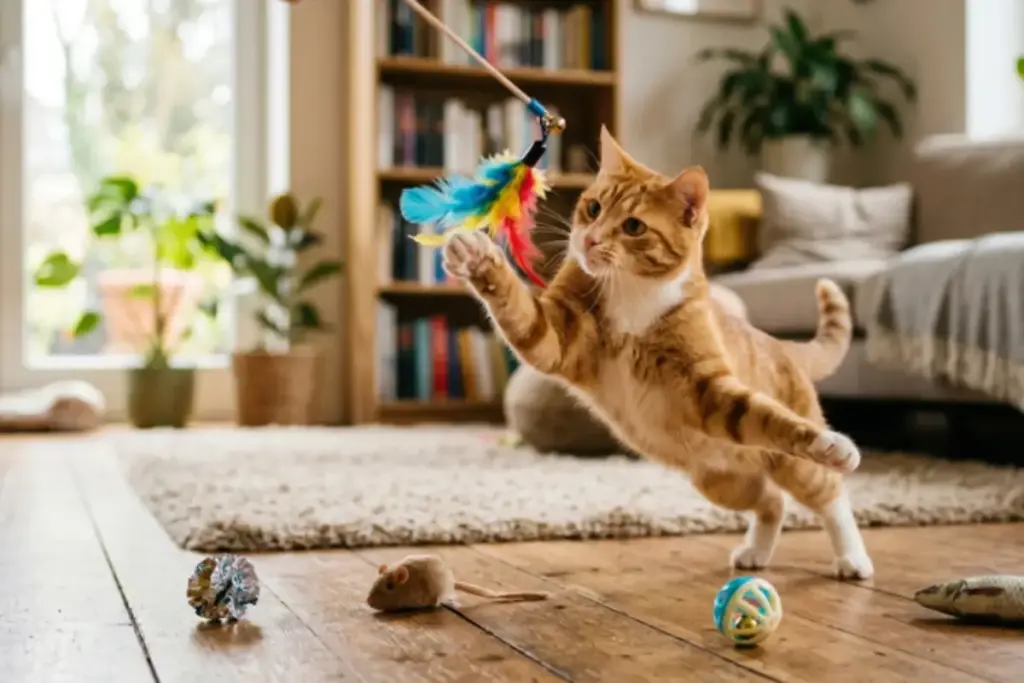
Interactive play remains the most effective form of cat exercise. Wand toys simulate birds, mice, or insects, triggering predatory instincts. To maximize engagement:
- Move toys unpredictably
- Alternate between fast and slow motions
- Allow your cat to “win” periodically
- Keep sessions short (10–15 minutes)
This style of cat exercise strengthens the human-cat bond and provides emotional enrichment.
Thoughtfully designed teaser wands can elevate these sessions. A well-balanced wand with soft textures and subtle colors blends into home décor while encouraging active play, transforming ordinary living spaces into interactive environments.
Solo Play and Food Puzzles
Cats also benefit from independent cat exercise when owners are busy. Options include:
- Puzzle feeders
- Rolling treat balls
- Lightweight plush toys for kicking
- Track toys with moving balls
Food puzzles are particularly effective. They encourage cats to move, problem-solve, and slow down eating. This approach combines mental stimulation with gentle cat exercise.
Tailoring Exercise to Life Stages
Different ages require different approaches to cat exercise.
The Kitten Tornado
Kittens are naturally energetic and curious. They require frequent play sessions throughout the day. Effective strategies include:
- Short but frequent play bursts
- Soft toys for safe chasing
- Redirecting climbing to approved structures
- Rotating toys to prevent boredom
Structured cat exercise helps channel energy and protect household items.
The Prime Adult Cat
Adult cats benefit from routine. Two structured cat exercise sessions daily are ideal. Consider:
- Morning play before breakfast
- Evening session before dinner
- Variety in toys and play styles
- Combining climbing and chasing
Consistency helps maintain muscle tone and prevent weight gain.
The Senior Soul
Older cats still need cat exercise, but it should be gentle. Focus on:
- Slow wand movements
- Low-impact climbing options
- Soft toys for light batting
- Shorter sessions with breaks
Regular movement supports joint health and cognitive function. Even mild cat exercise can improve quality of life for senior cats.
Creating a Home Gym for Cat
Designing an environment that encourages movement doesn’t mean sacrificing aesthetics. Thoughtful placement of play zones allows cat exercise to blend seamlessly into daily living spaces.
Designing for Movement
Consider:
- Vertical paths using shelves
- Open floor areas for chasing
- Cozy resting spots between play zones
- Natural light near climbing areas
This layout promotes spontaneous cat exercise throughout the day.
The Role of New Toys
Introducing a new toy can instantly spark curiosity. Cats often become more active when something unfamiliar appears. Rotating toys every few days maintains novelty and encourages consistent cat exercise.
Safety First
While encouraging movement, safety should remain a priority:
- Avoid loose strings or small detachable parts
- Check toys regularly for wear
- Ensure climbing structures are stable
- Supervise high-energy sessions
Safe design ensures cat exercise remains beneficial rather than risky.
How Much Exercise Does Your Cat Need?
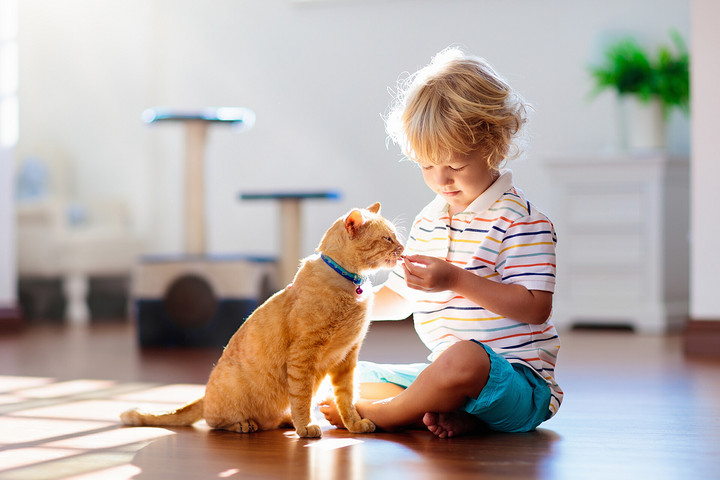
Most indoor cats benefit from:
- Two daily sessions
- 10–15 minutes each
- Mix of interactive and solo play
- Occasional climbing opportunities
Consistency matters more than duration. Even short, daily cat exercise sessions create lasting health benefits.
Signs Your Cat Needs More Exercise
Watch for these indicators:
- Weight gain
- Excessive sleeping
- Destructive scratching
- Nighttime hyperactivity
- Lack of interest in toys
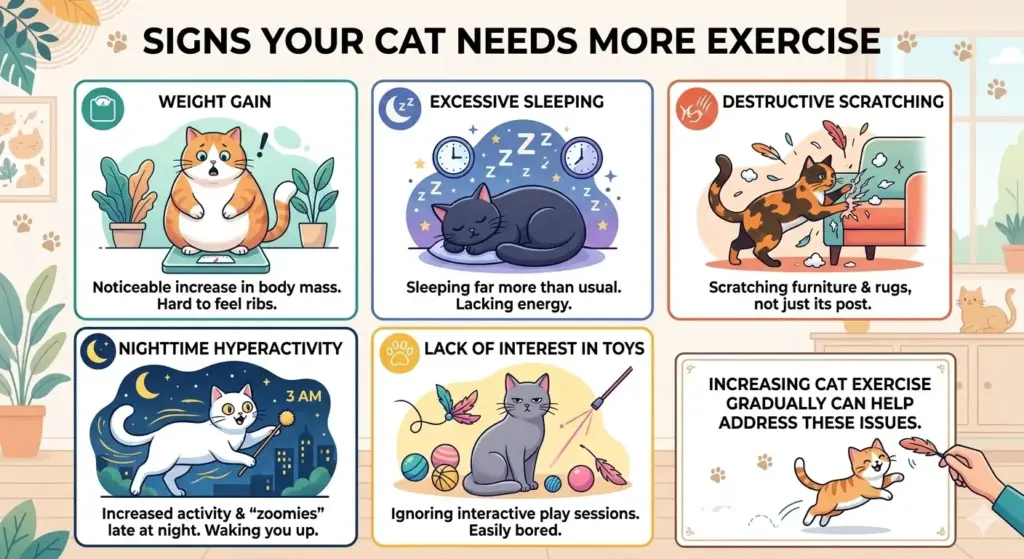
Increasing exercise gradually can help address these issues.
Benefits of Regular Cat Exercise
Regular activity supports:
- Healthy weight management
- Improved digestion
- Stronger muscles
- Reduced anxiety
- Better sleep cycles
- Enhanced bonding
Long-term, consistent cat exercise may contribute to a longer, healthier life.
Q1:How often should I do cat exercise?
A1: Most cats benefit from two daily sessions of exercise
Q2:Can older cats still exercise?
A2: Yes. Gentle cat exercise helps maintain mobility and cognitive health.
Q3:What if my cat doesn’t like toys?
A3: Try different textures, movements, and heights. Some cats prefer climbing-based.
Q4:Is solo play enough?
Solo play helps, but interactive exercise strengthens emotional bonding and provides better stimulation.
Conclusion: A Healthier Nine Lives Starts Today
Indoor cats rely on their humans to recreate the natural movement their instincts demand. Consistent cat exercise helps prevent obesity, reduces behavioral problems, and strengthens emotional connections. Even 15 minutes a day can dramatically improve your cat’s physical and mental wellbeing.
Creating an environment that encourages movement—through climbing, interactive play, and thoughtful design—turns everyday routines into meaningful shared experiences. A more active cat is often calmer, healthier, and happier.
Start small. Stay consistent. A few minutes of intentional cat exercise today can add years of vitality to your cat’s life.






RECENT COMMENTS