
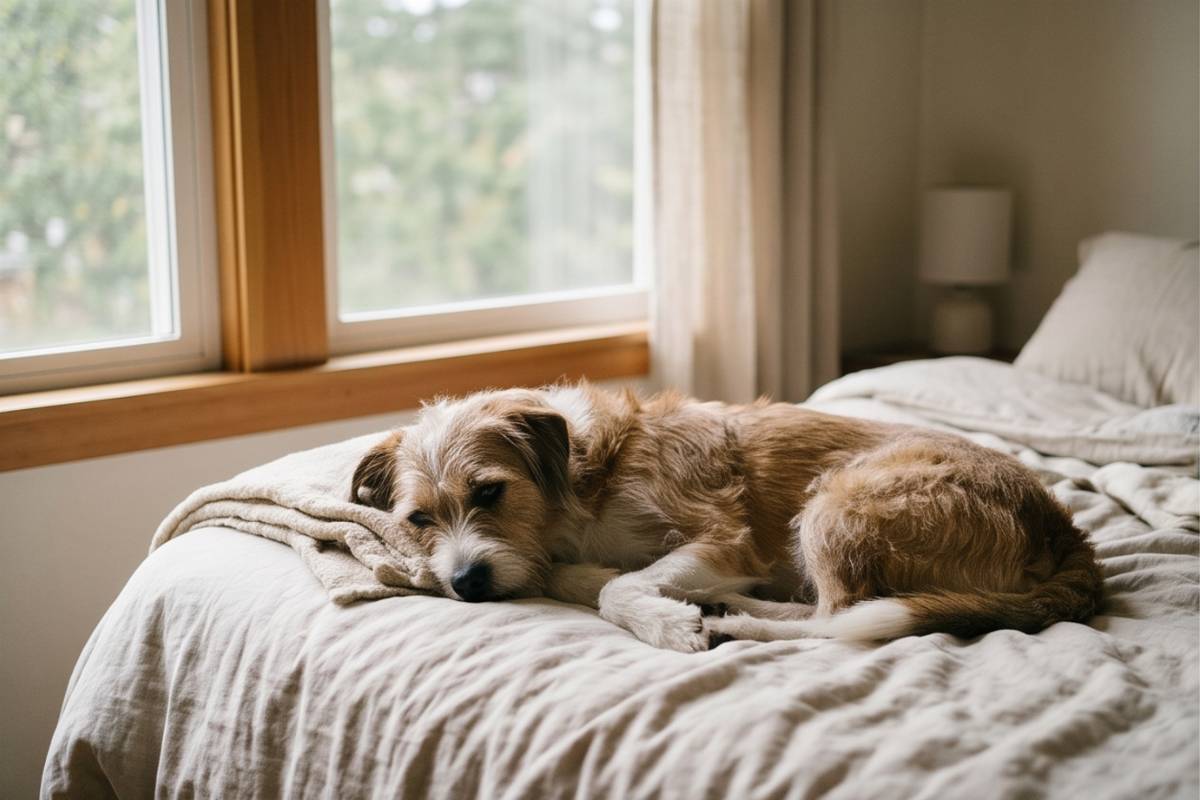
Dog Separation Anxiety: Effective Ways to Solve It and What Actually Works

Dog Separation Anxiety: Effective Ways to Solve It and What Actually Works

Dog separation anxiety can improve with routine, alone-time training, and calmer departures. Use these steps to reduce panic, barking, and pacing.
Dog separation anxiety often looks like “bad behavior,” but it’s usually a panic response to being left alone.
When you treat it like panic (not disobedience), you focus on safety, predictability, and gradual training instead of punishment.
This article breaks down what to do first, what to avoid, and a realistic plan you can follow even with a busy schedule.
If your dog is injuring themselves, breaking teeth on crates, or showing nonstop distress, contact your veterinarian or a qualified behavior professional before you try to “push through.”
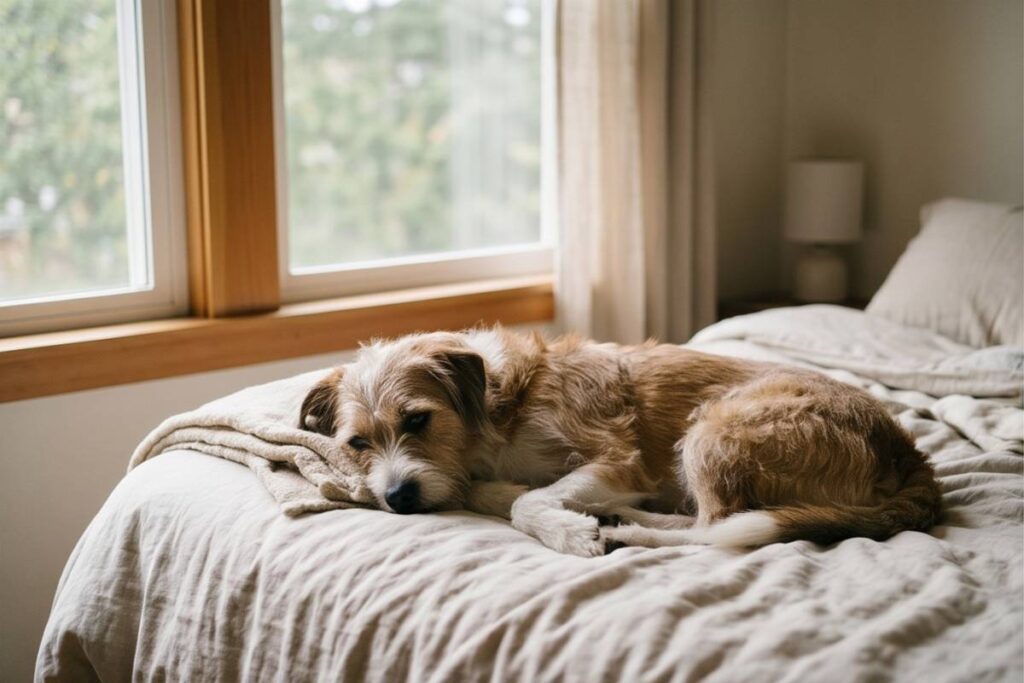
What it is and what it isn’t
True separation anxiety is distress that starts when you prepare to leave, spikes after you exit, and repeats consistently when the dog is alone.
It’s not the same as boredom, adolescent mischief, incomplete house training, or a dog who simply prefers company.
A simple way to tell: record a 20–40 minute video after you leave and look for panic signs like nonstop vocalizing, trembling, drooling, scratching at exits, or repeated escape attempts.
If your dog is calm for the first 10–15 minutes and then gets rowdy, you may be dealing with under-exercise, lack of enrichment, or a routine mismatch instead.
Dog separation anxiety plan: dog separation anxiety steps you can start today
The best results come from combining management (so your dog doesn’t rehearse panic) with training (so your dog learns alone time is safe).
Below is a practical sequence; you can move faster or slower, but don’t skip the foundation.
Step 1: Stop accidental “panic practice”
Each full panic episode teaches your dog that being alone is dangerous, so your first goal is to prevent rehearsals.
Use options like a pet sitter, daycare, trusted neighbor, or working from home temporarily, even if it’s only for the hardest part of the day.
If you need routine support products, check Pet Behavior Training ideas that pair well with calm routines (think: mat work, cues, and enrichment, not punishment).
Step 2: Make departures boring, not emotional
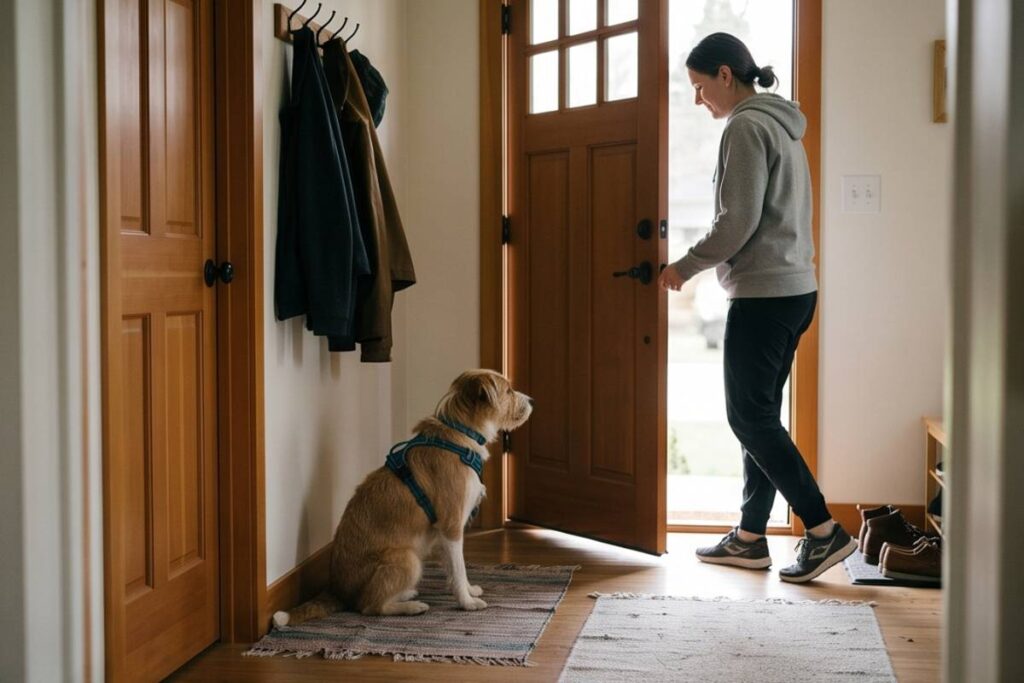
Big goodbye speeches can raise arousal; aim for calm, short, and consistent exits.
Do the same with greetings: return, put your bag down, wait for four paws on the floor, then say hello.
Step 3: Build an “alone-time cue” your dog can trust
Pick one cue that always predicts a safe, short absence, such as “Back soon,” then immediately step out for 3–10 seconds and return.
Repeat many tiny reps until your dog stays relaxed, then increase duration slowly (seconds → minutes → longer).
If you’re asking “how to help a dog with separation anxiety” without quitting your job, this micro-session approach is the most realistic place to start.
Set up the environment for calm
Choose a safe area where your dog already relaxes—some do best in a room, others behind a baby gate, and some in an open crate with the door removed.
Avoid sudden confinement changes; if your dog panics in a crate, a larger dog-proof space is often safer than “more crate time.”
Use white noise or a fan to soften outdoor triggers like hallway footsteps, door slams, or delivery sounds.
If your dog struggles with daily routine basics, browse Pet Daily Care for simple habit-building topics that support training consistency.
Enrichment that helps and enrichment that backfires
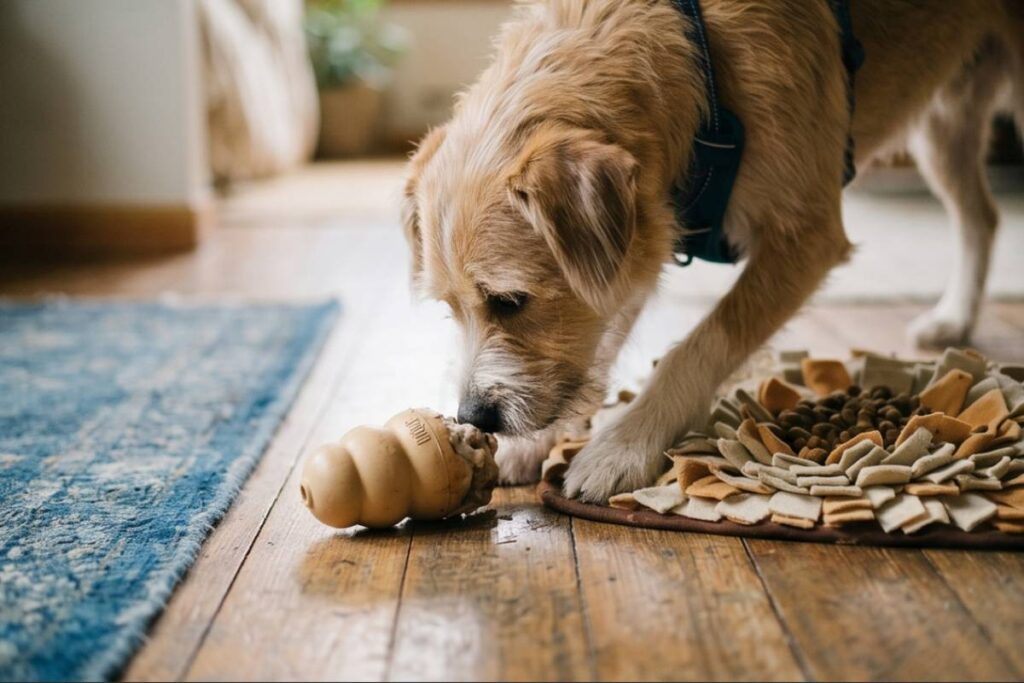
Food toys and chews can help, but only if your dog is calm enough to eat when you leave.
If your dog ignores treats and goes straight to the door, enrichment alone won’t fix the problem; you need shorter absences and a slower progression.
Try a “pre-departure routine” that lowers arousal: sniff walk, drink, potty, then a short settle on a mat before you leave.
A quick list of calm-alone options
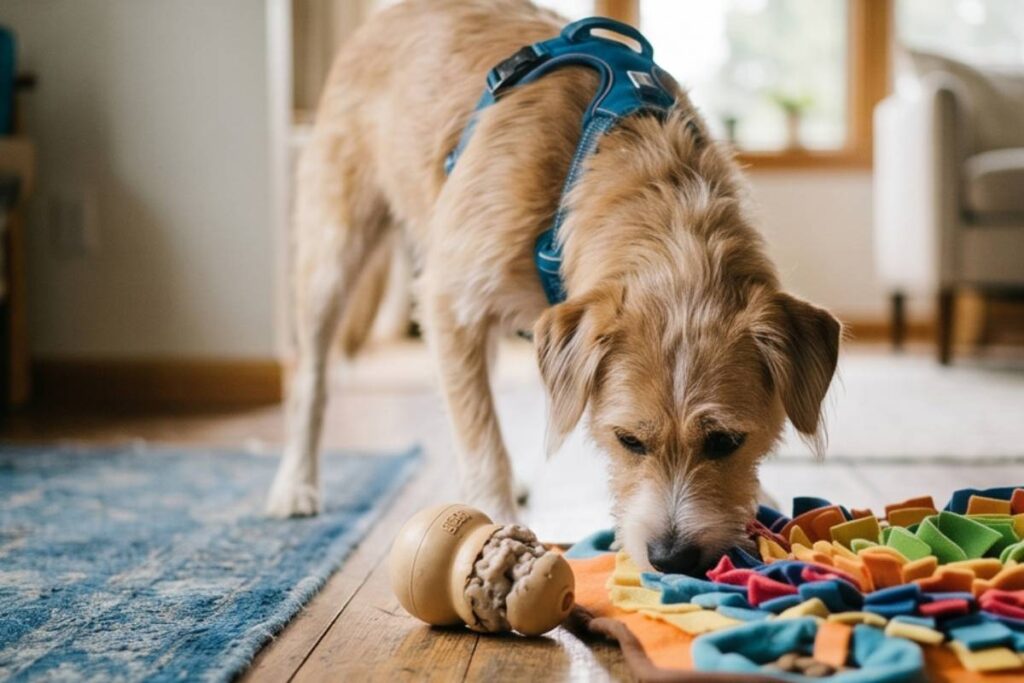
- Frozen stuffed food toy that takes 15–25 minutes
- Snuffle mat or scatter feeding (if your dog stays relaxed)
- Safe chew (vetted for your dog’s chewing style)
- Scent game: hide a few treats in one room before leaving
- Comfortable sleep spot with a familiar blanket
Training progression: what to increase (and what to keep stable)
Progress is about duration, not distance; your dog doesn’t care whether you’re in the driveway or at work, only whether you’re gone too long.
Increase time in small jumps and keep everything else stable: same departure cue, same door, same calm routine.
If your dog shows mild stress (pacing, whining, repeated door-checking), you went too fast—reduce duration and rebuild confidence.
Common mistakes that slow improvement
Punishing barking or accidents usually increases fear, because the dog is already distressed.
Leaving “one more time to see if they’ll get used to it” often makes the next session worse.
Over-exercising can backfire too; an exhausted dog may still panic, then recover more slowly and sleep poorly.
If you want to create a consistent routine bundle, Build Your Own Box can be a nice way to keep training tools and calm-time items in one place.
Medication, supplements, and professional help (when to consider them)
Medication can be a training aid, not a replacement; it may lower panic enough for learning to happen.
Ask your veterinarian about options when your dog cannot stay under threshold even for very short absences.
A qualified trainer or veterinary behaviorist can also help you set a safe plan, especially if you’re seeing self-injury, escape attempts, or extreme vocalization.
Troubleshooting: match the strategy to the trigger
Some dogs panic when they see keys, shoes, or makeup routines; for them, you’ll also train “departure cues” by practicing those motions without leaving.
Other dogs panic only at certain times (like evenings), which usually points to routine mismatch, noise triggers, or under-rest.
If you identify a trigger pattern, write it down and adjust your sessions so your dog wins more often than they struggle.
Separation anxiety tracker table
| What you track | Example | What it tells you | Next action |
|---|---|---|---|
| Calm duration | 2 min calm | Your current baseline | Train at 60–90 sec, build up |
| First stress sign | Door check at 90 sec | When you crossed threshold | Shorten sessions |
| Recovery time | 30 sec after return | How intense the stress was | Slow progression if long |
| Eating? | Finished chew toy | Calm enough to learn | Keep enrichment |
A realistic 7-day starter schedule
Day 1–2: 10–20 micro-absences (3–20 seconds) spread through the day, ending before stress.
Day 3–4: Build to 1–3 minutes if your dog stays relaxed, and vary your return timing so it doesn’t become a countdown game.
Day 5–7: Add one longer session (5–15 minutes) only if your short sessions look easy, and keep using management for real-life departures.
Consistency matters more than perfection; a few calm reps daily beat one big “test” session that triggers panic.
If you need supplies that support calm daily routines, consider browsing Shop for basics (comfort items, travel essentials, and pet-friendly organization).
FAQ
Q1: Can separation anxiety go away on its own?
A: Sometimes mild cases improve with routine, but true anxiety usually needs gradual training and management to prevent repeated panic episodes.
Q2: Should I ignore my dog when I come home?
A: You don’t need to ignore them completely—just keep greetings calm and wait for relaxed behavior, so arrivals don’t spike excitement.
Q3: Do cameras help with separation anxiety training?
A: Yes—recordings show your dog’s true baseline and the exact time stress starts, so you can set training durations that stay under threshold.









RECENT COMMENTS